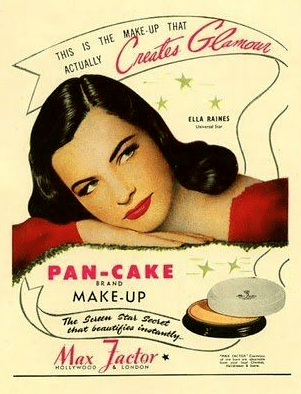
When World War II erupted in 1939, beauty became part of the home-front morale effort. Allied governments officially classified cosmetics — especially lipstick — as wartime essentials, believing that polished appearances strengthened public spirit during hardship.
Material rationing reshaped the industry. Metal shortages forced brands like Elizabeth Arden and Helena Rubinstein to abandon metal lipstick tubes and switch to plastic or cardboard. Oil and fat rationingdisrupted cold cream production, leading women to stretch their supplies or make homemade versions using beeswax, olive oil or petroleum jelly. Perfume production slowed dramatically due to alcohol rationing, making fragrance a rare luxury.
Despite scarcity, beauty culture flourished. Women were encouraged to “stay neat to boost morale,” linking personal grooming to patriotism. Makeup became a symbol of resilience — a small act of defiance against fear and uncertainty.
The innovations born from necessity transformed the post-war beauty landscape. Synthetic materials, stabilized pigments and new manufacturing techniques developed during the war laid the foundation for the cosmetic boom of the late 1940s and 1950s. Wartime problem-solving didn’t just preserve beauty culture — it reinvented it.
I’m Stacey Hobbs, thanks for reading Face by Stace! Until next time.
do you feel fabulous today?

