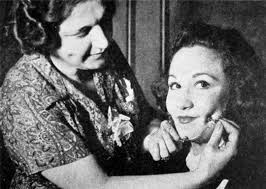
One of the strangest beauty devices of the early 20th century — and a symbol of how far women were willing to go for charm.
In the 1920s and 1930s, dimples were considered the height of feminine charm. They signaled youth, sweetness, flirtation and a kind of effortless beauty that Hollywood adored. But not everyone was born with them — and early beauty inventors saw an opportunity.
What It Was
The Dimple Maker was a small metal or rubber contraption designed to “create” dimples by physically pressing into the cheeks. It looked like a tiny clamp or hinged clip, often padded with felt or rubber to avoid bruising.
Women were instructed to wear it:
- at home
- while reading
- while sleeping
- sometimes for hours at a time
The idea was simple — and slightly absurd: apply pressure long enough and the face will form a permanent indentation.
How It Worked (or… didn’t)
The device used constant pressure to pinch the cheek muscle and skin. Manufacturers claimed that:
- the muscle would “train” itself
- the indentation would become permanent
- the wearer would develop natural‑looking dimples
In reality:
- it caused discomfort
- temporary redness
- occasional bruising
- and absolutely no permanent dimples
But in the 1920s–1930s, beauty innovation was often more about hopethan science.
Why Women Bought It
The Dimple Maker thrived because:
- Hollywood stars like Shirley Templeand Loretta Young made dimples iconic
- magazines promoted “charming facial features”
- beauty culture was shifting toward youthfulness
- women were encouraged to modify their faces at home
It was marketed as:
- safe
- easy
- affordable
- a shortcut to Hollywood charm
And in an era obsessed with novelty beauty gadgets, it fit right in.
Cultural Meaning
The Dimple Maker wasn’t just a strange device — it was a symbol of the early 20th century’s beauty mindset:
- beauty could be engineered
- the face was malleable
- home devices could “fix” features
- Hollywood set the standard
It represents a moment when women were told that even their smallest facial details could — and should — be improved.

The Dimple Maker may seem bizarre today, but it captures the spirit of early beauty innovation: hopeful, experimental, and deeply influenced by Hollywood glamour. It reminds us that the pursuit of beauty has always been shaped by culture — and that some trends, no matter how strange, tell us more about the era than the device itself.
I’m Stacey Hobbs, thanks for reading Face by Stace! Until next time.
do you feel fabulous today?

