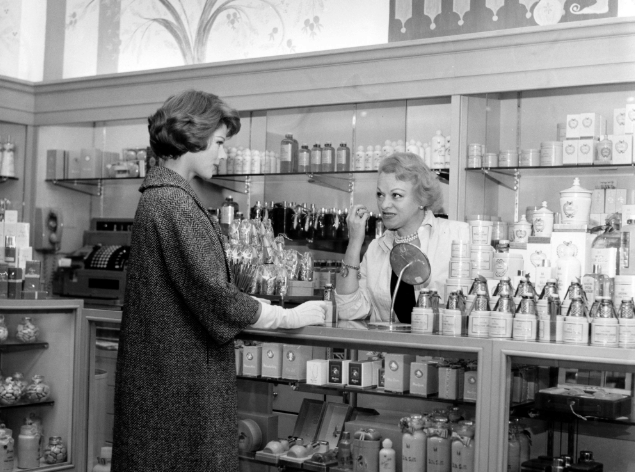
Perfume was a luxury many women couldn’t afford during the Great Depression, but scent remained an important part of personal beauty. Instead of store‑bought fragrances, women turned to simple, homemade substitutes crafted from kitchen staples, garden herbs and everyday household items.
One of the most popular alternatives was vanilla extract. A tiny dab on the wrists or behind the ears offered a warm, sweet scent that lasted for hours. Women also used lemon or orange peels, rubbing the oils directly onto the skin for a fresh, uplifting fragrance.
Herbs played a major role in Depression‑era perfuming. Lavender, mint and rosemary were steeped in hot water to create lightly scented rinses for hair and skin. Some women tucked dried herbs into handkerchiefs or clothing drawers for a subtle, lingering aroma.
Floral substitutes were equally common. Rosewater, made by simmering rose petals, became a gentle perfume and complexion refresher. Violet leaves, when crushed, released a delicate green‑floral scent that women dabbed onto the neck and wrists.
For a richer fragrance, women mixed cloves, cinnamon or allspice with warm water or oil, creating simple spice‑based perfumes reminiscent of early colognes.
These substitutes weren’t about luxury — they were about resourcefulness. Even in a decade defined by scarcity, women found ways to bring beauty and scent into their daily lives.
I’m Stacey Hobbs, thanks for reading Face by Stace! Until next time.
do you feel fabulous today?

