During the Great Depression, beauty didn’t disappear — it adapted. With money scarce and cosmetics often considered a luxury, women turned to their kitchens, sewing baskets and cleaning cupboards to create clever, resourceful beauty tools from everyday household items. These DIY solutions weren’t just frugal; they were imaginative, practical and surprisingly effective.
Curling tools were often made from fabric scraps or paper. Women twisted damp hair around strips of cloth, tied them into knots and slept in them overnight to create soft waves without heat. Some used brown paper torn from grocery bags, rolling hair into tight spirals for a more defined curl.
For exfoliation, women repurposed washcloths, sugar, salt or even oatmeal. A simple mixture of sugar and water became a makeshift scrub, while oatmeal was ground and used as a gentle cleanser for sensitive skin.
Cold cream alternatives came from the pantry. Women blended petroleum jelly with a few drops of olive oil or lemon juice to mimic the cleansing balms they couldn’t afford. Egg whites were used as tightening masks, while mashed bananas or leftover cream were applied as moisturizing treatments.
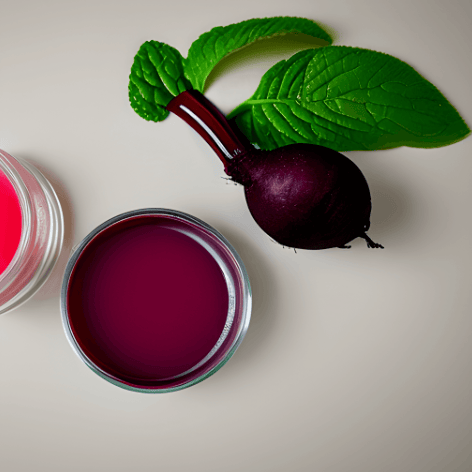
Even nail care had its Depression‑era hacks. Women buffed nails with chamois cloth, polished them with olive oil or tinted them lightly using beet juice for a natural flush of color.
These repurposed tools weren’t just about beauty — they were about resilience. In a decade defined by scarcity, women proved that creativity could be just as powerful as any product on a vanity table.
I’m Stacey Hobbs, thanks for reading Face by Stace! Until next time.
do you feel fabulous today?

