Honey has always carried a sense of a subtle form of luxury — a beauty ingredient treasured in ancient rituals and a kitchen staple that feels both comforting and elegant. Victorian women used honey salves to achieve a glowing complexion, while today it remains one of the most beloved ingredients in modern wellness.
Honey is one of the oldest beauty ingredients in recorded history. Cleopatra famously used honey to soften her skin, while ancient Greek women applied honey masks before festivals and ceremonies. In medieval Europe, honey was used as a healing salve for the skin — prized for its antibacterial properties long before modern science confirmed them. Victorian women used honey in homemade cold creams, believing it preserved youthfulness.
Honey’s beauty legacy spans continents and eras, always associated with luxury, femininity and natural radiance.
Beauty Benefits of Honey
Skin: Honey draws moisture into the skin, supports barrier repair and has natural anti-bacterial properties.
Hair: A honey mask adds shine and softness especially when mixed with oils.
Body: Its antioxidants support overall wellness and glow.
Mood: Warm, floral, comforting — honey is a sensory cue for calm and sweetness.
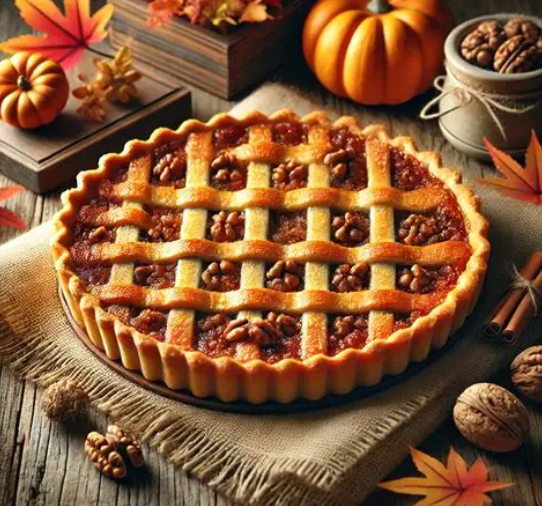
Ricardo Cuisine: Inspired Honey Maple Rustic Tart
A cozy, golden, maple‑kissed tart with honey gloss — rustic, comforting, and proudly Canadian.
Prep 20 min Cook 35 min Serves 6
Ingredients
- 1 sheet store‑bought or homemade pie dough
- 3 medium apples, thinly sliced
- 2 tbsp honey
- 3 tbsp pure maple syrup
- 1 tbsp brown sugar
- 1 tsp lemon juice
- 1/2 tsp cinnamon
- 1/4 tsp nutmeg
- 1 egg (for egg wash)
- 1 tbsp coarse sugar (optional, for sprinkling)
Intructions
- Preheat
Heat oven to 400°F (200°C). Line a baking sheet with parchment. - Prep apples
In a bowl, toss apple slices with honey, maple syrup, brown sugar, lemon juice, cinnamon, and nutmeg. - Roll dough
Place pie dough on the baking sheet. Spoon the apple mixture into the center, leaving a 2‑inch border. - Fold edges
Fold the dough edges over the apples, creating a rustic free‑form tart. - Brush + sprinkle
Brush crust with egg wash and sprinkle coarse sugar if desired. - Bake
Bake 30–35 minutes until apples are tender and crust is golden. - Finish
Drizzle a little extra honey over the warm tart before serving.
Sources
Maple Glazed Rustic Apple Tart (Apple Galette Recipe) – Smells Like Home
Maple Walnut Tart – Perfect Fall Dessert Recipe
Homemade Maple Butter Tarts
Historical Context
Rustic tarts have deep roots in French peasant cooking where free‑form galettes were a practical way to use seasonal fruit without the precision of formal pastry. As French culinary traditions travelled to Québec, they merged with Canadian ingredients — most notably maple syrup which Indigenous communities had been producing long before European arrival in the 17th century.
Honey and maple together form a uniquely Canadian sweetness profile. In early Canadian cookbooks of the 19th century, maple was often used when refined sugar was scarce, while honey was prized for its “natural purity” and its ability to preserve fruit. Rustic tarts became a symbol of home comfort, often baked for Sunday dinners or harvest gatherings.
Ricardo Cuisine’s signature style — approachable, warm, proudly Québécois — echoes this heritage. This tart feels like a modern continuation of that lineage: simple, golden and rooted in the flavours that define Canadian domestic cooking.
Beauty Benefits of This Recipe
Honey
- Natural humectant: supports internal hydration
- Antioxidants help reduce dullness
- Supports gut balance, which often reflects in clearer skin
Maple Syrup
- Contains manganese + zinc, supporting skin repair
- Lower glycemic impact than refined sugar
- Offers polyphenols that help fight oxidative stress
Apples
- Rich in quercetin, an antioxidant linked to reduced inflammation
- Fibre supports digestion (gut‑skin connection)
- Vitamin C contributes to collagen support
Cinnamon + Nutmeg
- Improve circulation
- Contain antimicrobial compounds
- Add metabolic warmth that can enhance natural glow
Honey has always been a quiet form of luxury in beauty and wellness—simple, natural and endlessly versatile. This recipe is one more way to bring that softness and radiance into everyday life, using ingredients that feel comforting. If you enjoyed this treatment, explore the rest of the Honey Series for more historically inspired, modern‑friendly recipes.
I’m Stacey Hobbs, thanks for reading Face by Stace! Until next time.
do you feel fabulous today?
 Face by Stace