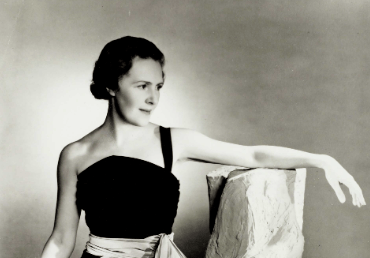
Parisian Women Didn’t Just Buy Couture — They Declared Allegiance
In the 1930s, couture wasn’t simply fashion. It was identity. It was politics. It was social alignment.
To choose a couturier was to choose a worldview.
And nowhere was this more visible than in the divide between Jeanne Lanvin’s clientele and Elsa Schiaparelli’s devotees — two groups of women who embodied two completely different visions of femininity.
This wasn’t just a feud between designers. It was a feud between women.
1. The Lanvin Woman: Aristocratic, Romantic, Refined
Lanvin’s clients were the women who lived inside Parisian tradition — the salons, the soirées, the old‑world elegance.
They were aristocrats, society hostesses, philanthropists, mothers and daughters, women with generational wealth, and women who valued refinement over rebellion.
They chose Lanvin because she offered:
- embroidery as art
- femininity as heritage
- elegance as identity
- couture as emotional expression
Lanvin’s world was safe, beautiful and deeply rooted in tradition.
Her clients didn’t want shock. They wanted continuity.
2. The Schiaparelli Woman: Artistic, Modern, Unpredictable
Schiaparelli’s clients were the women who lived at the edge of culture — the artists, the intellectuals, the avant‑garde.
They were actresses, surrealists, writers, dancers, bohemian aristocrats and women who embraced modernity.
They chose Schiaparelli because she offered:
- fashion as performance
- femininity as provocation
- surrealism as identity
- couture as rebellion
Schiaparelli’s world was loud, witty and modern.
Her clients didn’t want tradition. They wanted transformation.
3. Society vs. Surrealism: Two Social Worlds
Lanvin’s salons were filled with:
- pearls
- soft pastels
- quiet conversation
- refined manners
- generational prestige
Schiaparelli’s salons were filled with:
- artists
- cigarette smoke
- laughter
- eccentricity
- experimental glamour
Lanvin’s world was about status.
Schiaparelli’s world was about expression.
Parisian women didn’t just buy dresses — they chose which world they belonged to.
4. The Couture Divide Became a Cultural Divide
Lanvin’s clients believed:
- beauty should be timeless
- femininity should be elegant
- couture should be emotional
- fashion should be dignified
Schiaparelli’s clients believed:
- beauty should be provocative
- femininity should be intellectual
- couture should be conceptual
- fashion should be disruptive
This divide shaped:
- magazine coverage
- salon gossip
- society events
- cultural commentary
- fashion photography
- museum curation
Lanvin represented the past.
Schiaparelli represented the future.
4. The Couture Divide Became a Cultural Divide
Some women bought from both houses — but even they had to navigate the tension.
A Lanvin woman wearing Schiaparelli was:
- making a statement
- signaling modernity
- stepping outside tradition
A Schiaparelli woman wearing Lanvin was:
- embracing softness
- acknowledging heritage
- choosing elegance
Crossing over was never neutral. It was always symbolic.
6. Why This Chapter Matters
Because the Lanvin vs. Schiaparelli feud wasn’t just about two designers.
It was about:
- two types of women
- two visions of femininity
- two cultural identities
- two social worlds
- two definitions of beauty
Lanvin’s clients shaped the image of classic Parisian elegance.
Schiaparelli’s clients shaped the image of modern Parisian rebellion.
Together, they defined the cultural landscape of 1930s Paris.
I’m Stacey Hobbs, thanks for reading Face by Stace! Until next time.
do you feel fabulous today?
 Face by Stace