The Birth of Modern Beauty
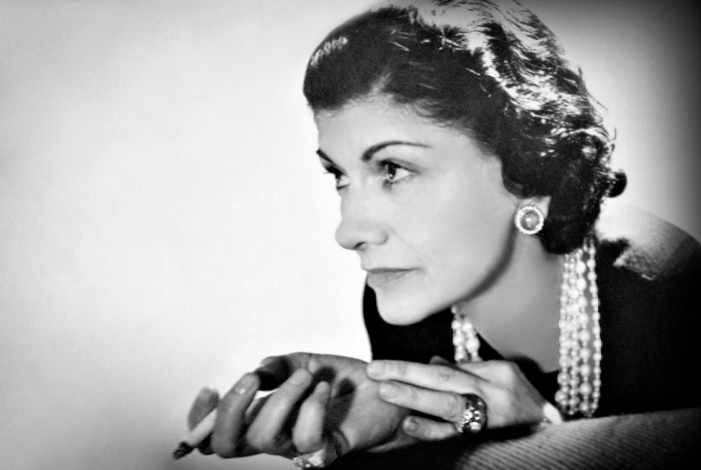
The early 20th century was a turning point in beauty culture. Women were stepping out of Victorian restraint and into a new world of independence, movement and modernity. At the centre of this transformation stood Coco Chanel, whose influence extended far beyond fashion. She altered how women saw themselves — and how they presented themselves to the world.
This era marks the beginning of modern French beauty: clean, intentional, liberated and quietly radical.
1. The 1910s: Liberation Begins
Beauty in the 1910s was still tied to:
- powdery complexions
- soft, natural makeup
- discreet grooming
- understated femininity
But Chanel introduced a new idea: beauty as freedom.
Her early designs — jersey dresses, sailor tops, menswear‑inspired silhouettes — required a beauty look that matched their simplicity. Women began embracing:
- natural skin
- minimal makeup
- effortless hair
- understated elegance
This was the beginning of the “French girl” vibe.
2. The 1920s: The Chanel Face Emerges
The 1920s were electric — jazz, nightlife, modernity. Women cut their hair, danced, smoked and embraced a new identity.
Chanel’s beauty philosophy aligned perfectly with the decade’s energy.
Her signature look included:
- short, bobbed hair
- clean skin
- bold lips (yes, Chanel loved a strong lip)
- dark, defined eyes
- confident and modern
She wasn’t trying to make women pretty. She was trying to make them powerful.
3. The Creation of Chanel No. 5 (1921)
No beauty history is complete without Chanel No. 5 — the fragrance that changed everything.
It was abstract, modern, aldehydic, intentionally artificial and a break from traditional floral perfumes.
Chanel wanted a scent that smelled like:
“A woman, not a flower.”
No. 5 became the first truly modern perfume, a symbol of French femininity and a global cultural icon.
It remains the most famous fragrance in the world.
4. The 1930s: Elegance Refined
The 1930s brought:
- sculpted brows
- matte skin
- deeper lip colours
- more structured hairstyles
Chanel adapted her beauty philosophy to the decade’s sophistication.
Her beauty ideals emphasized:
- restraint
- polish
- glamour
- architectural simplicity
This era cemented the idea that French beauty is about intention, as opposed to excess.
5. Chanel’s Beauty Philosophy
Chanel’s influence on beauty can be summarized in four principles:
1. Effortless Skin
Skin should look like skin — clean, fresh, alive.
2. One Statement Feature
A bold lip or a defined eye, never both.
3. Hair as Identity
Short hair = freedom. Long hair = elegance. But always purposeful.
4. Fragrance as Character
Perfume is not decoration — it is identity.
These principles still define French beauty today.
6. Why This Era Matters
Because Chanel didn’t just create a look. She created a beauty philosophy that shaped:
- French cinema
- French fashion
- French femininity
- global beauty standards
- modern minimalism
- the “effortless chic” aesthetic
She made beauty intellectual, intentional and modern.
Her influence is still visible in:
- French pharmacy beauty
- luxury fragrance culture
- editorial beauty trends
- runway makeup
- everyday French women
Chanel didn’t follow beauty. She defined it.
I’m Stacey Hobbs, thanks for reading Face by Stace! Until next time.
do you feel fabulous today?
 Face by Stace