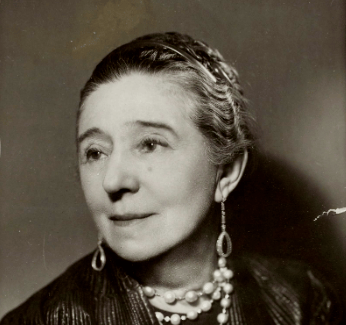
The 1920s are remembered for the garçonne look with its straight lines, dropped waists and the liberated flapper vibe. But Jeanne Lanvin moved in a different direction. While the world embraced androgyny, Lanvin doubled down on structure, romance and historical influence.
Her answer to the decade’s modernism was the Robe de Style — a silhouette that became one of the most iconic signatures in couture history.

The Robe de Style: A Modern Reimagining of the 18th Century
Lanvin’s Robe de Style was architectural.
- Fitted bodices
- Full skirts inspired by panniers
- Crisp structure balanced with softness
- Intricate embroidery and beadwork
- Pastel palettes and Lanvin Blue
The silhouette offered an alternative to the flapper dress — one that celebrated volume, craftsmanship and a kind of romantic grandeur that only Lanvin could execute.
Craftsmanship at Its Peak
Jeanne Lanvin’s atelier was known for its technical mastery.
- Hand‑finished seams
- Couture embroidery
- Metallic threadwork
- Silk organza, taffeta and satin
- Sculptural construction
Her dresses moved like sculpture — structured yet fluid, ornate yet wearable.
Lanvin’s Clientele: Elite Women and Cultural Icons
Lanvin’s designs were worn by:
- European aristocracy
- American elites
- performers and actresses
- women who wanted elegance and modernity
The Robe de Style became a symbol of refinement — a counterpoint to the decade’s rebellion.
Why the 1920s Matter for Lanvin
This era defined the house’s DNA:
- romance
- structure
- craftsmanship
- colour
- emotional storytelling through silhouette
Lanvin didn’t follow the decade — she shaped her own.
The Robe de Style remains one of the most important contributions to couture, a testament to Jeanne Lanvin’s ability to merge history with modernity.
I’m Stacey Hobbs, thanks for reading Face by Stace! Until next time.
do you feel fabulous today?
 Face by Stace