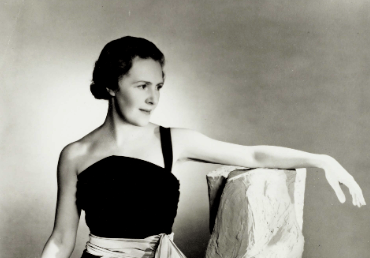
The Paris Power Map: Where Fashion Was Decided
By the late 1920s and early 1930s, Paris wasn’t just the fashion capital it was the social capital. Designers didn’t simply compete on hemlines or silhouettes; they competed on who they dressed, who they dined with, and who whispered their names in the salons of the Right Bank.
Chanel and Lanvin operated in the same city but they moved through very different social ecosystems — and those ecosystems shaped their clientele, their reputations and ultimately, their legacies.
Chanel: The Social Strategist
Coco Chanel understood one thing better than anyone: visibility equals power.
Her social circle was a curated constellation of:
- aristocrats
- artists
- writers
- wealthy lovers
- British high society
- Parisian tastemakers
Chanel didn’t wait for clients to come to her — she placed herself in the rooms where influence lived. Her friendships with figures like Misia Sert, the Duke of Westminster, and Diaghilev weren’t accidental. They were strategic alliances that:
- elevated her brand
- expanded her reach
- positioned her as the designer of modernity
Chanel’s clients wanted to be seen as current, intelligent, cosmopolitan and un-bound by tradition. Her social circle reflected that energy.
Lanvin: The Society Favourite
Jeanne Lanvin’s world was different — softer, more domestic, more aristocratic and deeply rooted in old‑world Parisian elegance.
Her clientele included:
- established French families
- society hostesses
- mothers and daughters
- women who valued refinement over rebellion
Lanvin’s salons were filled with women who wanted:
- embroidery
- craftsmanship
- femininity
- continuity
- tradition
Lanvin didn’t chase social circles; she cultivated them. Her reputation grew through:
- word‑of‑mouth
- family loyalty
- multi‑generational clients
- Parisian social continuity
Where Chanel represented the future, Lanvin represented the lineage.
Two Designers, Two Clienteles — One City
Their rivalry intensified because they weren’t fighting for the same woman — they were fighting for the symbolic definition of Parisian womanhood.
Chanel’s Woman
- independent
- modern
- athletic
- socially mobile
- intellectually curious
- un-afraid of simplicity
Lanvin’s Woman
- elegant
- traditional
- socially established
- refined
- feminine
- loyal to couture heritage
This wasn’t just fashion competition.
It was ideological competition.
Business Competition: The Battle for Paris
By the early 1930s, both houses were expanding aggressively.
Chanel’s Business Strategy
- perfumes (No. 5 dominating globally)
- sportswear
- ready‑to‑wear concepts
- international expansion
- celebrity visibility
- modern branding
Chanel was building an empire.
Lanvin’s Business Strategy
- couture
- children’s wear
- Lanvin Blue branding
- intricate embroidery workshops
- fragrance (Arpège)
- multi‑generational loyalty
Lanvin was building a dynasty.
Their competition wasn’t loud — it was constant, quiet and everywhere:
- who dressed the most influential women
- who defined the season
- who Paris talked about
- who international buyers visited first
- who the press photographed
- who set the tone for elegance
Paris was the battleground.
Social circles were the weapons.
Clients were the trophies.
Why This Feud Still Matters
Chanel and Lanvin weren’t just designers — they were architects of identity.
Their rivalry shaped:
- how women saw themselves
- how fashion houses built clientele
- how social circles influenced branding
- how Paris became the global fashion capital
Fashion is never just about clothes — it’s about who you stand beside, who you dress and who speaks your name in the right rooms.
I’m Stacey Hobbs, thanks for reading Face by Stace! Until next time.
do you feel fabulous today?
 Face by Stace