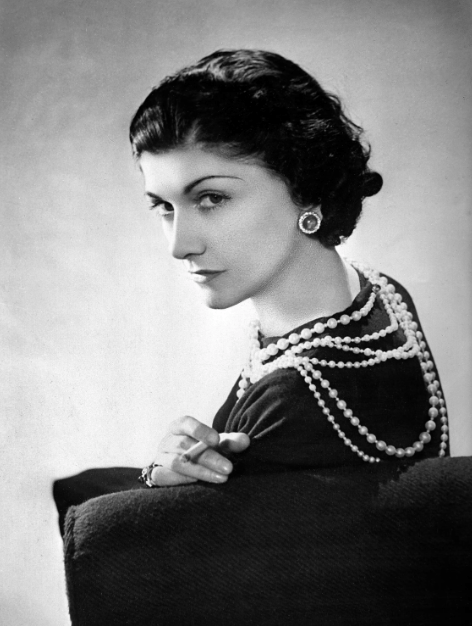
When Coco Chanel introduced costume jewelry into high fashion, she didn’t simply create a trend — she re-wrote the social meaning of adornment. In an era when jewelry signaled wealth, lineage and rigid class hierarchy, Chanel shattered the rules with a single radical idea: jewelry should express style. Her vision democratized adornment and transformed how women wore, understood and enjoyed jewelry.
Before Chanel, fine jewelry was the domain of the elite. Diamonds and precious stones were symbols of inheritance and privilege. Chanel rejected that exclusivity. She layered ropes of faux pearls, mixed gilt metals with glass stones and paired costume pieces with real jewels to blur the distinction entirely. Her message was clear: beauty didn’t require authenticity — only intention.
Chanel’s approach liberated women. Costume jewelry allowed them to experiment, to play, to shift their vibe with mood and outfit rather than bank account. It encouraged boldness: oversized cuffs, Byzantine crosses, multi‑strand necklaces and whimsical motifs that would have been un-thinkable in traditional fine jewelry. Chanel made adornment expressive, modern and accessible.
Her innovation also re-shaped the fashion industry. Houses began producing seasonal jewelry collections, treating accessories as integral to silhouette and storytelling. Costume jewelry became a language — one that women across classes could speak.
Chanel didn’t diminish jewelry’s glamour. She expanded it. By democratizing costume jewelry, she gave women permission to adorn themselves with freedom, creativity and confidence.
She didn’t just design jewelry. She redesigned who it was for.
I’m Stacey Hobbs, thank you for reading Face by Stace! Until next time.
do you feel fabulous today?

