The 1920s compact case is one of the most exquisite artifacts of early beauty technology—an object where cosmetics, engineering, and Art Deco design converged. More than a simple powder holder, the compact became a symbol of womanhood, independence and the rise of portable beauty. In an era defined by chrome skyscrapers, geometric architecture and the glamour of silent‑film stars, the compact case mirrored the decade’s obsession with elegance and innovation.
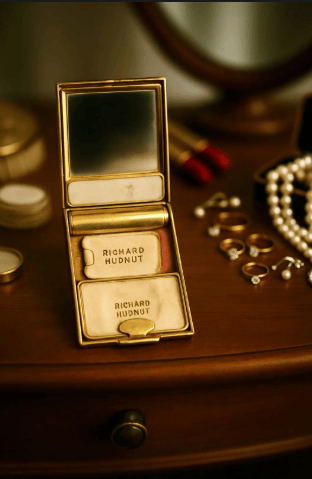
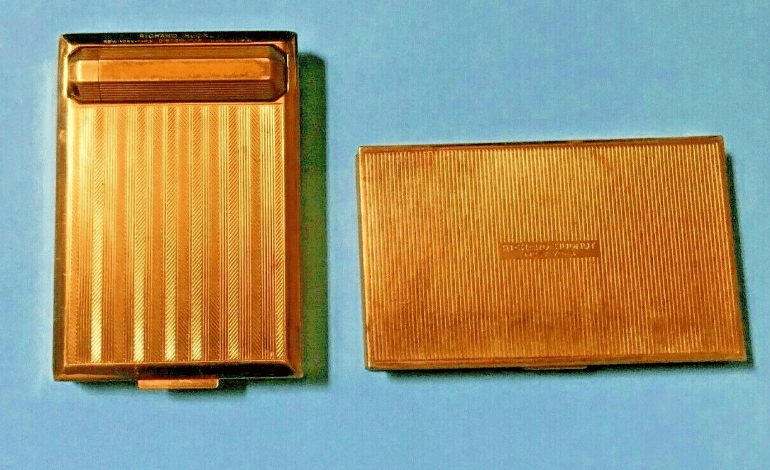
A true 1920s compact was crafted from metal—chrome, silver, brass or enamel‑coated alloys. Its exterior often featured Art Deco motifs: sunbursts, chevrons, stepped forms, lacquered panels or geometric inlays. These designs weren’t merely decorative; they reflected the decade’s fascination with symmetry, machinery and modernity. Brands like Evans, Volupté, Richard Hudnut, and Chanel produced compacts that were as coveted as jewelry.
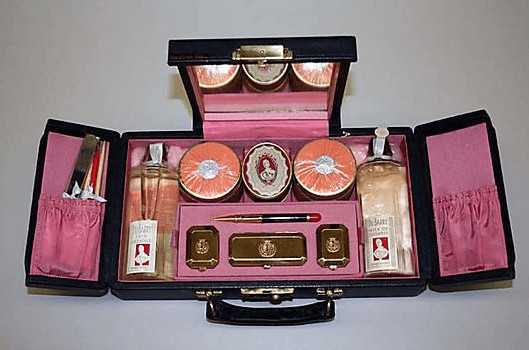
Inside, the compact was a miniature beauty workstation. It included a built‑in mirror, a powder well, and a puff, sometimes accompanied by rouge or lipstick compartments. Women carried them to parties, nightclubs, and speakeasies, opening them with a satisfying metallic click that became part of the ritual of glamour. For the first time, beauty was portable—something a woman could apply discreetly in public, signaling confidence and autonomy.
The 1920s compact case wasn’t just a cosmetic tool; it was a cultural statement. It represented the shift toward personal expression, modern design, and the merging of beauty with technology. Today, these compacts remain collectible treasures, preserving the artistry and sophistication of the Jazz Age.
Today, these cosmetic compacts have become collectibles.
I’m Stacey Hobbs, thanks for reading Face by Stace! Until next time.
do you feel fabulous today?

