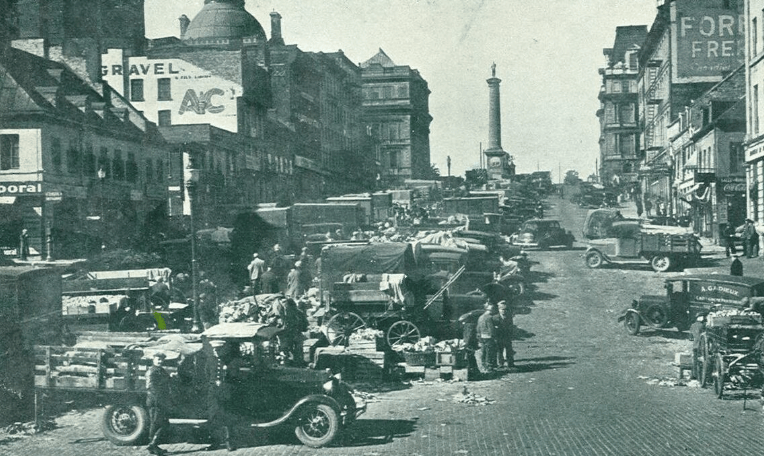
When people imagine the 1920s, they picture New York glamour and Chicago jazz — but Canada had its own flapper divide, shaped by two very different cultural identities. Toronto and Montréal weren’t just cities; they were two competing visions of modern womanhood.
Toronto, still deeply influenced by British social norms, embraced a flapper style that was tidy, modest, and carefully controlled. Hair was waved softly rather than sharply bobbed. Makeup stayed light — a touch of rouge, a polite rose‑coloured lip, powder for a clean complexion. Hemlines rose, but cautiously. Toronto flappers wanted to be modern, but they also wanted to remain “proper.”
Montréal, meanwhile, pulsed with French modernism. Jazz clubs, cabarets, and cosmopolitan nightlife shaped a bolder vibe. Women wore sharper bobs, deeper lip colours, and more dramatic evening wear. French influence encouraged glamour, flirtation, and expressive femininity. Montréal flappers danced later, dressed louder, and adopted trends faster.
Climate played a role too: Toronto’s British‑influenced restraint aligned with heavier Winter layering and practical fabrics, while Montréal’s European flair embraced lighter silhouettes and more daring evening looks.
The result? Two distinct Canadian flapper identities: Toronto’s refined modernity vs. Montréal’s vibrant, French‑infused glamour.
Together, they created a uniquely Canadian Jazz Age — one shaped not by rebellion alone, but by culture, climate, and the dual identities at the heart of Canada itself.
I’m Stacey Hobbs, thanks for reading Face by Stace! Until next time.
do you feel fabulous today?

