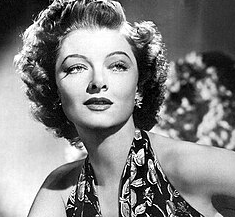
When The Thin Man debuted in 1934, audiences expected a clever mystery. What they didn’t anticipate was a cultural shift — one that would redefine glamour, marriage and modern femininity, to what it was at the time. At the centre of this phenomenon was Myrna Loy, whose portrayal of Nora Charles became the guideline for a new kind of screen woman: witty, elegant, emotionally fluent, and effortlessly stylish.
Loy’s beauty in the series was never ornamental. It was architectural, refined through her milk‑based masks, almond‑oil massages, and her signature taupe contouring that sculpted without shouting. Under the camera’s gaze, she radiated a calm, intelligent glow — a look that felt startlingly contemporary and aspirational.
But The Thin Man’s impact extended far beyond beauty. Nora Charles’ wardrobe — bias‑cut satin, languid evening gowns, tailored daywear that moved with her — created a fashion vocabulary that audiences devoured. She embodied cocktail‑hour chic, a kind of relaxed luxury that made sophistication feel attainable.
Then there was the chemistry. Loy and William Powell didn’t just play a married couple; they redefined one. Their banter, ease, and mutual respect made glamour feel warm rather than icy, intimate rather than distant. Viewers weren’t simply watching a mystery; they were watching a lifestyle.
The phenomenon of The Thin Man lies in this alchemy: beauty, fashion, wit, and partnership woven together through Myrna Loy’s serene brilliance. She didn’t just star in the series — she shaped an era.
I’m Stacey Hobbs, thanks for reading Face by Stace! Until next time.
do you feel fabulous today?

