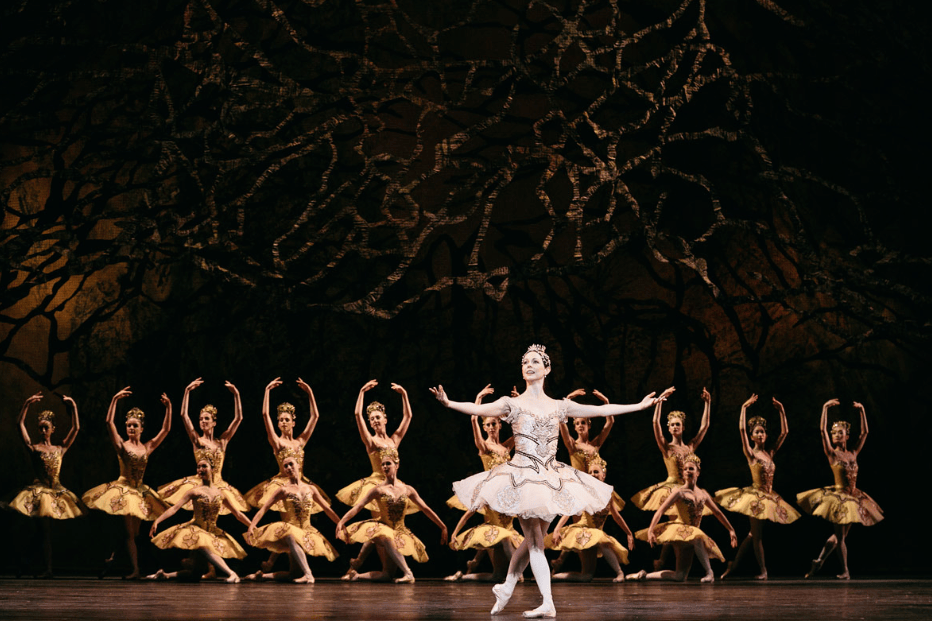
Opera and ballet have shaped modern editorial beauty more than any other performance traditions. Their makeup philosophies — built on visibility, drama and emotional clarity — created the guidelines for the sculpted faces, graphic eyes and exaggerated features seen in today’s fashion imagery.
Stage makeup began as necessity. Under harsh lights and distant sightlines, performers needed bold brows, defined cheekbones and amplified eyes to communicate emotion to the back row. Opera singers relied on matte skin, strong contouring, and sharply drawn lips; ballet dancers used soft yet architectural shading to emphasise bone structure and purity of line. These techniques weren’t about glamour — they were about storytelling.
Modern editorial beauty borrows this language directly. The graphic liner seen in couture campaigns echoes opera’s elongated, expressive eyes. Sculpted cheeks and precision contour mirror the structural shading used in ballet to enhance movement and silhouette. Even the current fascination with hyper‑matte skin and powder discipline traces back to stage traditions designed to withstand heat, sweat and intensity.
Colour theory also migrated from stage to editorial. Opera’s deep reds, plums and blacks — chosen for visibility under warm lights — now appear in high‑fashion beauty stories for their emotional impact. Ballet’s ethereal pastels and soft washes of colour inform modern “bare‑but‑defined” looks.
Today’s editorial makeup artists continue to reinterpret these performance roots, blending theatrical exaggeration with contemporary minimalism. The result is a beauty aesthetic that feels timeless, expressive and shaped by the stage.
I’m Stacey Hobbs, thanks for reading Face by Stace! Until next time.
do you feel fabulous today?

