Lipstick is one of beauty’s oldest cultural markers — a small object that has carried meaning across class, ritual, rebellion, and glamour for thousands of years. Its story begins in ancient Mesopotamia and Egypt, where women crushed gemstones, red ochre, and carmine beetles to create vivid pigments. Lip colour signalled status and protection, and in Egypt, it was worn by both women and men as a symbol of power.
In Ancient Greece, lipstick took on a moral dimension. Brightly coloured lips were associated with courtesans, while respectable women were expected to appear natural. Rome embraced lip colour more openly, using beeswax and red pigments to denote refinement. By the Middle Ages, lipstick became controversial; the Church condemned painted lips as deceptive, and women who wore colour risked accusations of vanity or witchcraft.
The Renaissance revived lip rouge as a sign of elegance, and by the 18th century, European aristocrats used lip colour to express sophistication, though public opinion still wavered between admiration and scandal. The true transformation arrived in the 19th and early 20th centuries, when industrial innovation introduced metal tubes, swivel mechanisms, and mass‑produced pigments. Lipstick became portable, modern, and accessible.
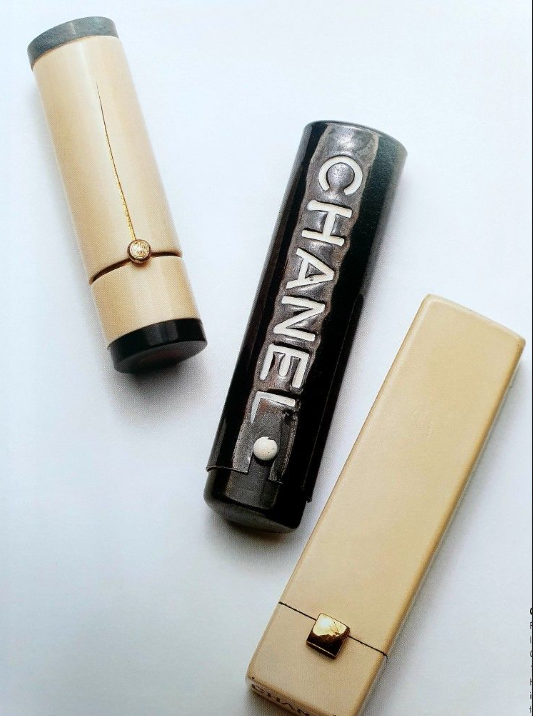
The 1920s flapper era cemented lipstick as empowerment. Hollywood stars turned red lips into cultural icons, and post‑war decades introduced matte formulas, bold pigments, and designer branding. By the mid‑century, luxury houses were patenting sleek lipstick cases, elevating the tube into an object of design.
Today, lipstick remains a universal symbol of confidence, glamour, and identity — a timeless tool of self‑expression shaped by centuries of beauty, culture, and change.
I’m Stacey Hobbs, thanks for reading Face by Stace! Until next time.
do you feel fabulous today?

