In 1930s Canada, fashion wasn’t about buying new pieces — it was about transforming what you already owned. The Great Depression re-shaped Canadian wardrobes into something practical, creative, and deeply personal. “Make‑Do and Mend” wasn’t just a slogan; it was a way of life.
Canadian women became experts at refashioning garments. A worn dress could be shortened, re‑hemmed, or turned into a blouse. Coats were re‑lined, collars re-placed, and sleeves altered to extend their lifespan. Fabric scraps became trims, cuffs or decorative appliqués. Nothing was wasted.
Patterns published in Canadian magazines taught women how to update older silhouettes into modern 1930s styles — adding pleats, re-shaping shoulders or creating bias‑cut effects without buying new fabric. Department stores even offered mending guides, acknowledging that most customers couldn’t afford constant replacements.
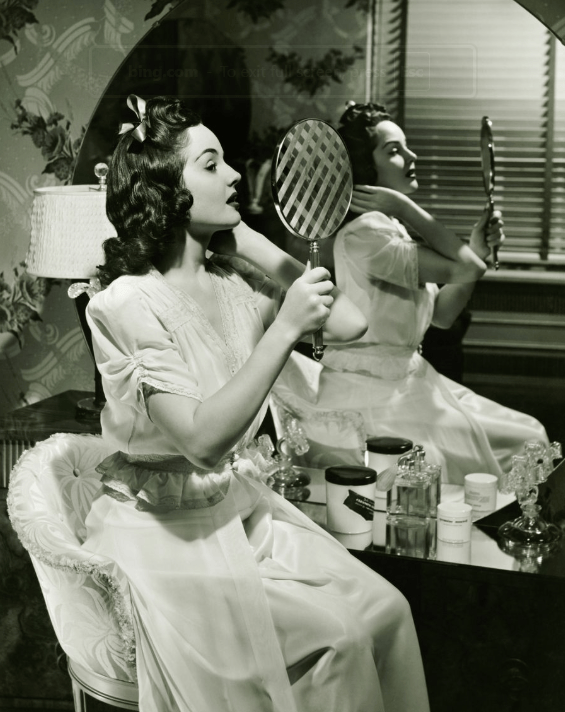
Beauty followed the same philosophy. Women stretched powder by mixing it with cornstarch, revived lipstick by melting the last remnants, and re-used cold cream jars for homemade skincare. Hairstyles were designed to last multiple days, reducing the need for frequent washing or setting.
Make‑Do and Mend wasn’t just practical — it was empowering. It allowed Canadian women to stay stylish during hardship, express creativity and maintain dignity when resources were scarce. In a decade defined by resilience, fashion became a testament to survival and ingenuity.
I’

