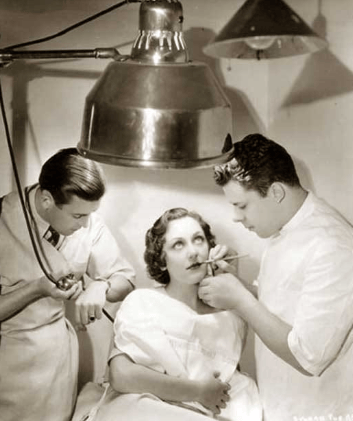
Beauty lamps and ultraviolet therapy were among the earliest attempts to merge science with skincare, shaping a technological chapter in beauty history that feels both experimental and strangely glamorous. Emerging in the 1910s and gaining momentum through the 1920s–1930s, these devices promised clearer skin, improved circulation, and a “radiant complexion” through controlled light exposure — long before modern dermatology formalised light‑based treatments.
Early beauty lamps were large, dome‑shaped fixtures positioned over vanity tables or salon chairs. Their purpose was twofold: to provide bright, even illumination for makeup application and to deliver therapeutic light believed to refine the complexion. As electricity became more accessible, manufacturers introduced UV‑enabled models that mimicked the effects of sunlight. Advertisements claimed these lamps could purify the skin, reduce blemishes and restore vitality — a reflection of the era’s fascination with scientific beauty.
By the 1930s, UV therapy had become a staple in professional beauty parlours. Clients reclined beneath glowing lamps while operators performed facial massages, applied cold cream or used early electrical tools. The experience blended science, ritual and performance — a precursor to today’s LED facials and phototherapy treatments.
Although later decades raised safety concerns around UV exposure, these early lamps paved the way for modern light‑based skincare. Their legacy lives on in contemporary LED masks, blue‑light acne devices and red‑light collagen treatments. Beauty lamps and UV therapy represent a moment when innovation, optimism and aesthetics converged — and when light itself became a beauty tool.
I’m Stacey Hobbs, thanks for reading Face by Stace! Until next time.
do you feel fabulous today?

