Long before written history, humans were already shaping the foundations of beauty care. In the pre-historic era, grooming wasn’t decorative — it was practical, ritualistic and deeply connected to survival. Yet even in this early context, people intuitively understood the value of exfoliation. Shells and stones became some of the first tools used to smooth skin, remove debris and create a sense of cleanliness that bordered on early self‑care.
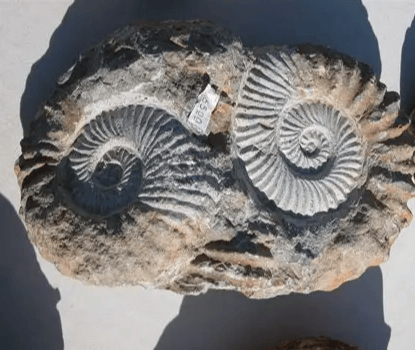
Smooth river stones were used to gently scrape the skin, lifting dirt and dead skin cells after long days spent outdoors. Their rounded edges made them effective yet non‑damaging, functioning much like the manual exfoliators we use today. Shells, especially those with naturally curved or slightly serrated edges, offered a more precise tool. They could buff rough patches, soften calloused areas, and refine texture — a primitive but purposeful form of skin polishing.
These early exfoliation practices weren’t just physical. They often carried symbolic meaning: purification, renewal and preparation for ritual or community gatherings. In many early cultures, grooming signalled readiness, respect and identity.
What’s remarkable is how closely these ancient tools mirror modern beauty principles. The desire for smooth, refreshed skin is timeless and the methods — manual exfoliation, natural materials, tactile care — remain central to skincare today. Pre-historic beauty wasn’t primitive; it was intuitive, resourceful and the first step in humanity’s long relationship with skin health.
I’m Stacey Hobbs, thanks for reading Face by Stace! Until next time.
do you feel fabulous today?
Shells and Stones as Early Exfoliators — Historically True
Across early human history, people used natural abrasive materials to clean, polish, and exfoliate the skin. This is supported by archaeology, anthropology, and cross‑cultural grooming research.
1. Archaeological Evidence
Archaeologists have found:
- Smooth river stones with wear patterns showing repeated use for scraping or polishing skin.
- Shell fragments used as scraping tools, often smoothed or sharpened through use.
- Pumice‑like volcanic stones used in ancient grooming rituals (especially in Mediterranean and coastal cultures).
These weren’t “beauty tools” in the modern sense — but they were used for:
- Removing dead skin
- Smoothing calluses
- Cleaning the body
- Preparing skin for ceremonies or social gatherings
This is the foundation of exfoliation.
2. Anthropological Evidence
Anthropologists confirm that early humans:
- Groomed regularly
- Used available natural materials for hygiene
- Scraped, polished, and smoothed skin using stones, shells, and bone tools
Grooming was both practical and symbolic — tied to purification, readiness, and identity.
3. Cross‑Cultural Evidence
Many early cultures used:
- Shell edges for scraping skin
- Stone tools for smoothing and exfoliating
- Natural abrasives long before formal beauty products existed
This spans Indigenous cultures, coastal communities, prehistoric societies, and early civilizations.

