During the 1940s, beauty in Canada wasn’t just personal — it was patriotic. As men went overseas and women stepped into new roles at home, the Canadian government and media launched a subtle but powerful message: staying beautiful meant staying strong.
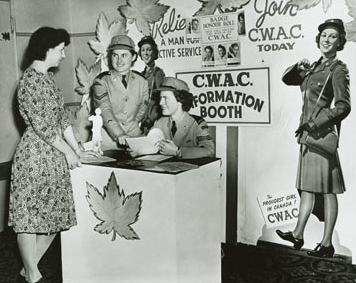
Posters, radio broadcasts and magazine ads encouraged women to maintain their appearance “for morale.” Beauty was framed as a duty — a way to uplift communities, reassure families and project confidence during uncertainty. A polished face symbolized resilience.
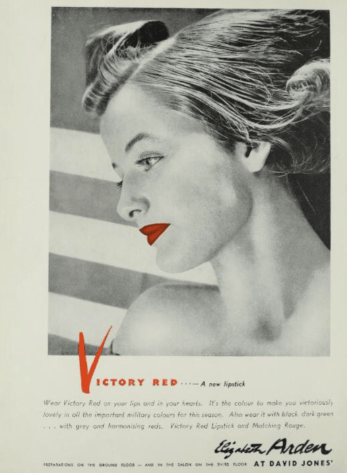
Cosmetics companies joined in. Ads promoted powder, rouge and lipstick as tools of optimism. “Keep your chin up — and your lipstick on” became a common sentiment. Red lipstick, especially, was tied to patriotism. It appeared in recruitment posters, factory campaigns and magazine spreads as a symbol of courage and spirit.
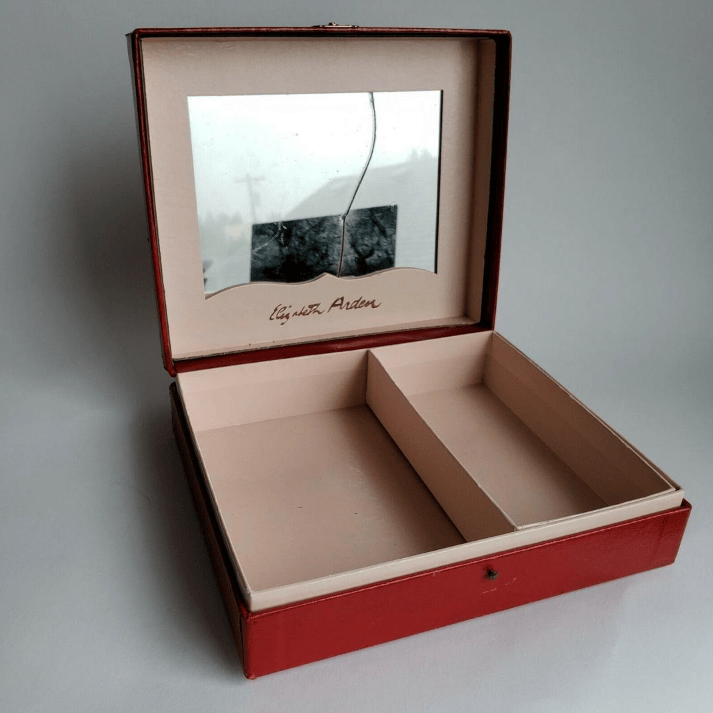
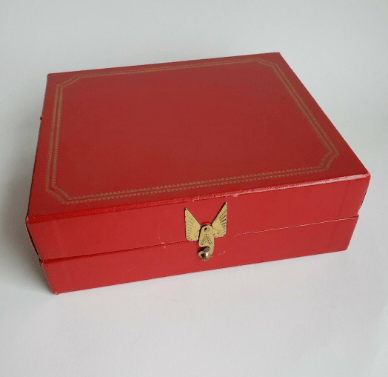
Even rationing shaped propaganda. With fabric, sugar and some cosmetics limited, beauty messaging emphasized resourcefulness: repairing garments, using makeup sparingly, and maintaining neat hairstyles despite shortages. The goal wasn’t glamour — it was morale.
Wartime beauty propaganda didn’t pressure women into vanity. It reassured them that femininity and strength could coexist — and that hope could be worn on the face.
I’m Stacey Hobbs, thanks for reading Face by Stace! Until next time.
do you feel fabulous today?

