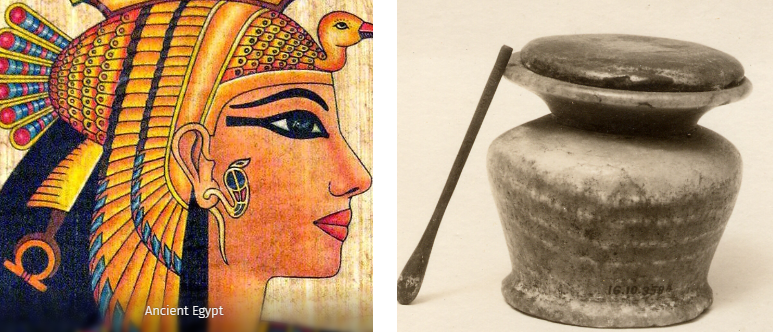
In Ancient Egypt, kohl eyeliner was far more than a cosmetic flourish — it was a daily essential worn by men, women, and children for beauty, protection, and spiritual symbolism. Its iconic black line, seen across tomb paintings and sculptures, became one of the most recognizable features of Egyptian identity.
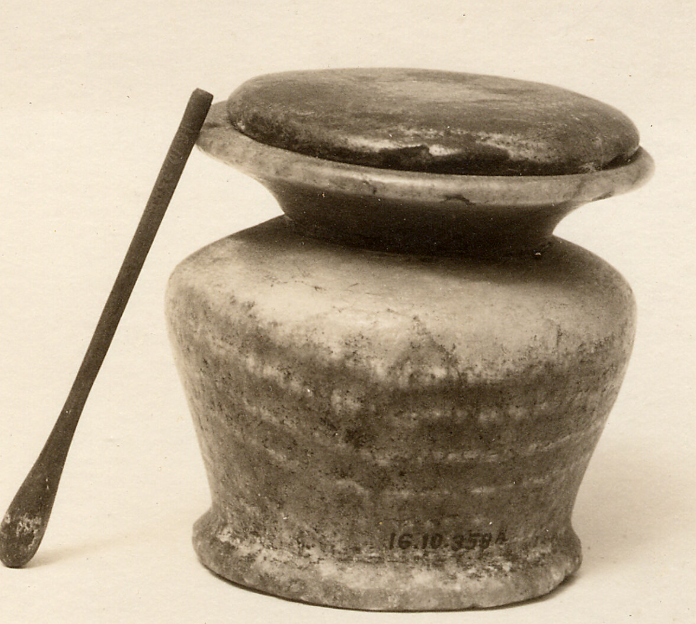
Kohl was made by grinding galena (lead sulfide) or stibnite into a fine powder, then mixing it with fats or oils to create a smooth, long‑wear paste. Egyptians applied it to both the upper and lower lash lines, creating the elongated, almond‑shaped eye that represented the fish of the Nile River. This eye makeup eye liner look was actually referred to as the Eye of Horus, which was a powerful symbol of protection, healing and good health.
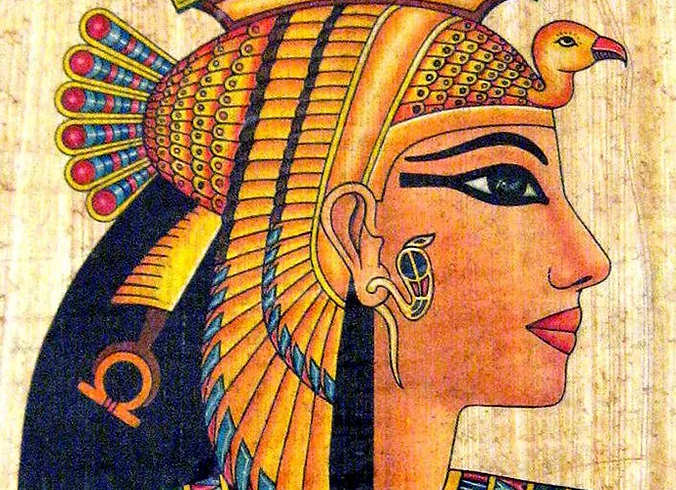
Beyond beauty and ritual, kohl served a practical purpose. The dark pigment reduced glare from the intense desert sun, functioning similarly to modern athletic eye‑black. Galena also offered mild antimicrobial benefits, helping protect the eyes from infection — a significant advantage in a climate filled with dust, sand, and harsh light.
Kohl’s blend of artistry, science and spirituality reveals how advanced Egyptian beauty culture truly was. It was a cosmetic, a medicine, and a protective tool, forming one of the earliest examples of beauty serving both aesthetic and functional roles.
I’m Stacey Hobbs, thanks for reading Face by Stace! Until next time.
do you feel fabulous today?

