In Mesopotamia and Sumer, beauty and healing were deeply intertwined and clay‑based treatments became one of the earliest recorded skincare rituals. Living in a region shaped by rivers, fertile soil, and mineral‑rich earth, these cultures understood the therapeutic power of clay long before formal medicine emerged. Clay and mud masks were used to cleanse, soothe, and restore the skin, forming a foundation for many modern treatments.
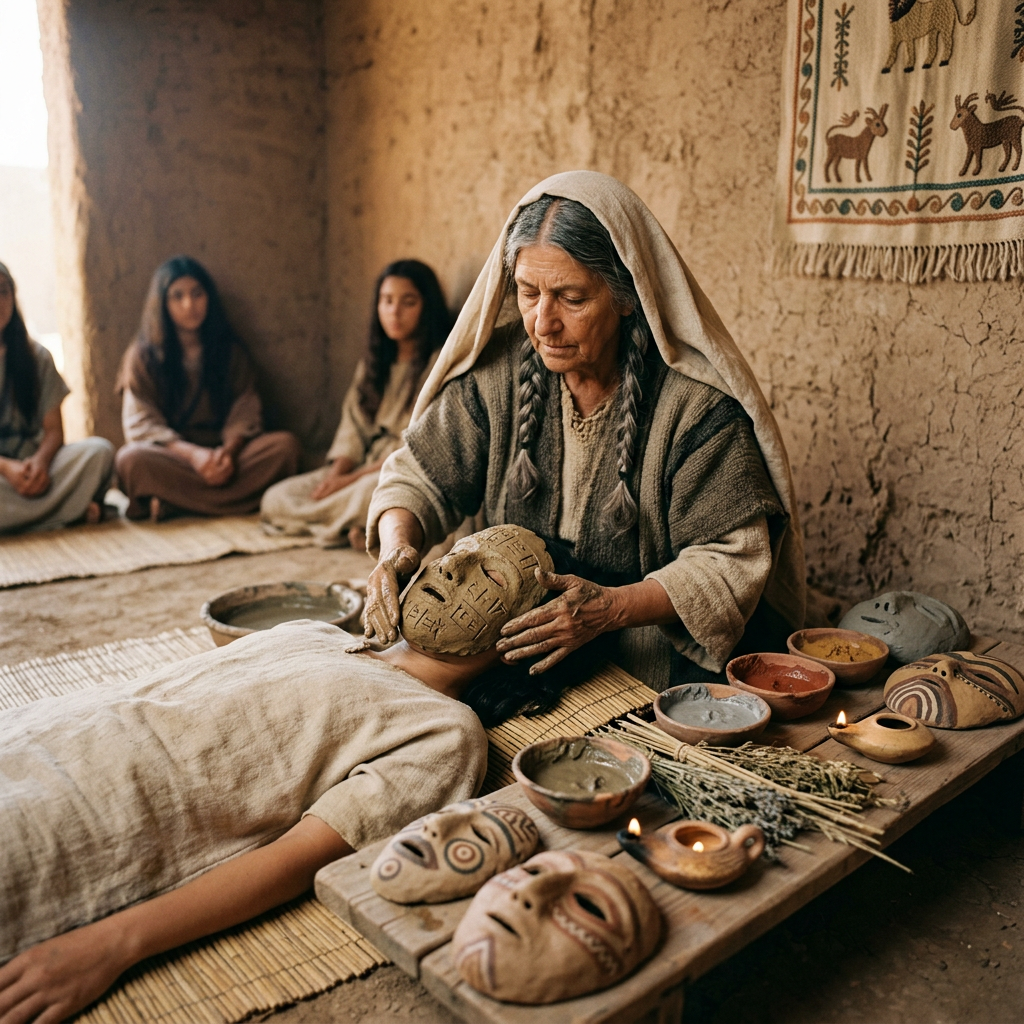
Sumerians and Mesopotamians sourced clay from riverbanks, where fine sediments carried natural minerals like magnesium, calcium, and silica. When mixed with water or oils, this clay created a purifying paste that drew out impurities and calmed irritation. These masks were applied to the face and body to treat inflammation, dryness and environmental stress — practical needs in a climate marked by heat, dust, and intense sun.
Clay also held symbolic meaning. Its connection to the earth aligned with beliefs about renewal, protection, and divine creation. In some texts, clay was associated with healing deities and used in rituals meant to restore balance and vitality. Beauty, health, and spirituality were not separate concepts; they worked together through materials found in the natural world.
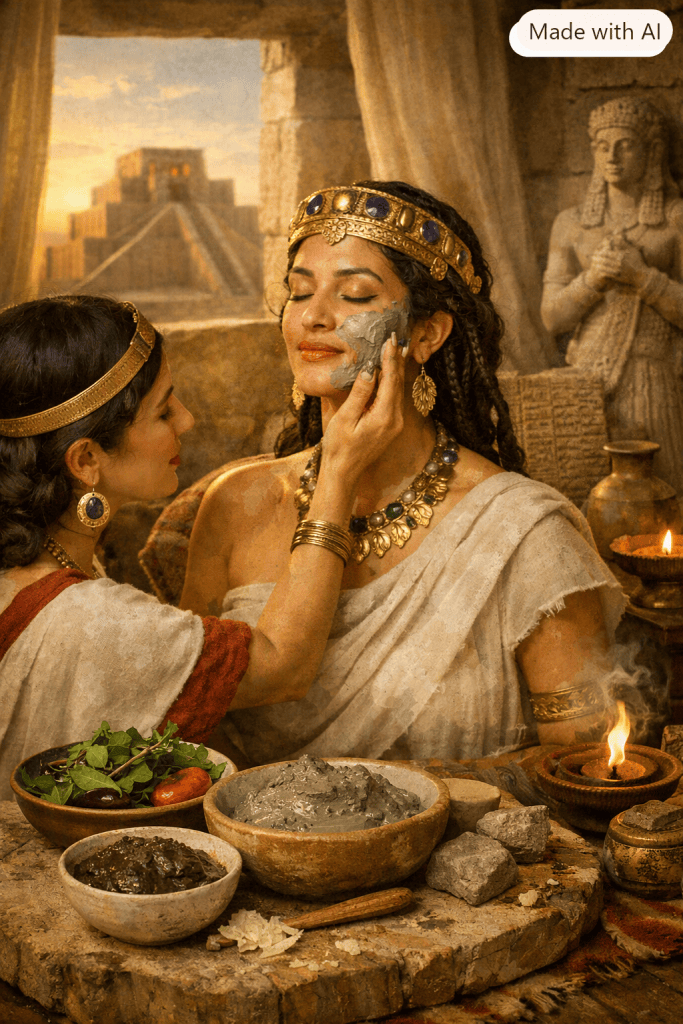
These early clay masks reveal a sophisticated understanding of skincare long before scientific terminology existed. Mesopotamia and Sumer recognized that the earth itself could cleanse, calm, and heal — a principle that continues in today’s clay masks, detox treatments, and mineral‑rich skincare.
I’m Stacey Hobbs, thanks for reading Face by Stace! Until next time.
do you feel fabulous today?

