Greek goddesses shaped ancient beauty ideals, blending mythology with aesthetics, ritual, and identity. Their stories weren’t just religious narratives — they were cultural blueprints for how beauty was understood, expressed, and admired.
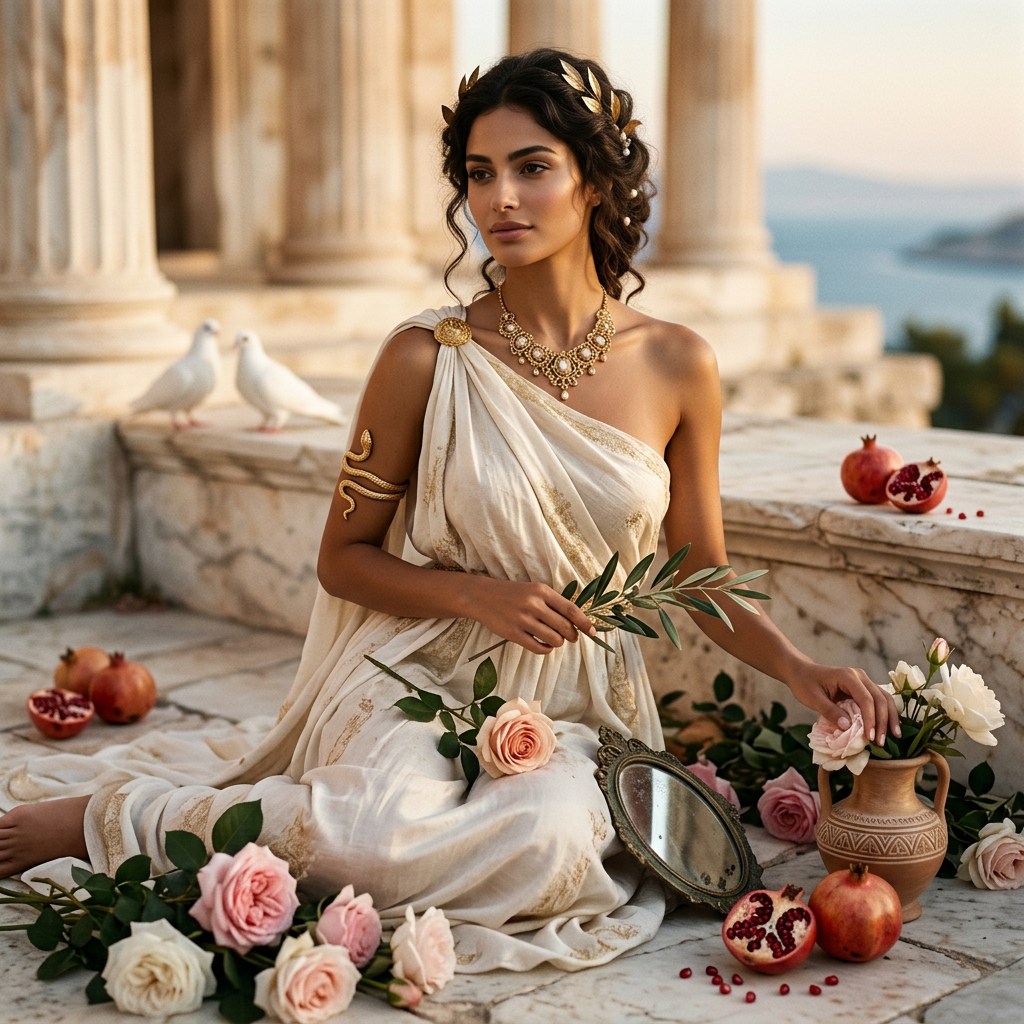
Aphrodite, goddess of love and beauty, embodied sensual radiance. Her symbols — roses, myrtle, doves, and the sea — inspired skincare and fragrance rituals. Women used rose oil, honey, and myrtle infusions to channel her softness and allure. Beauty wasn’t vanity; it was divine favour.
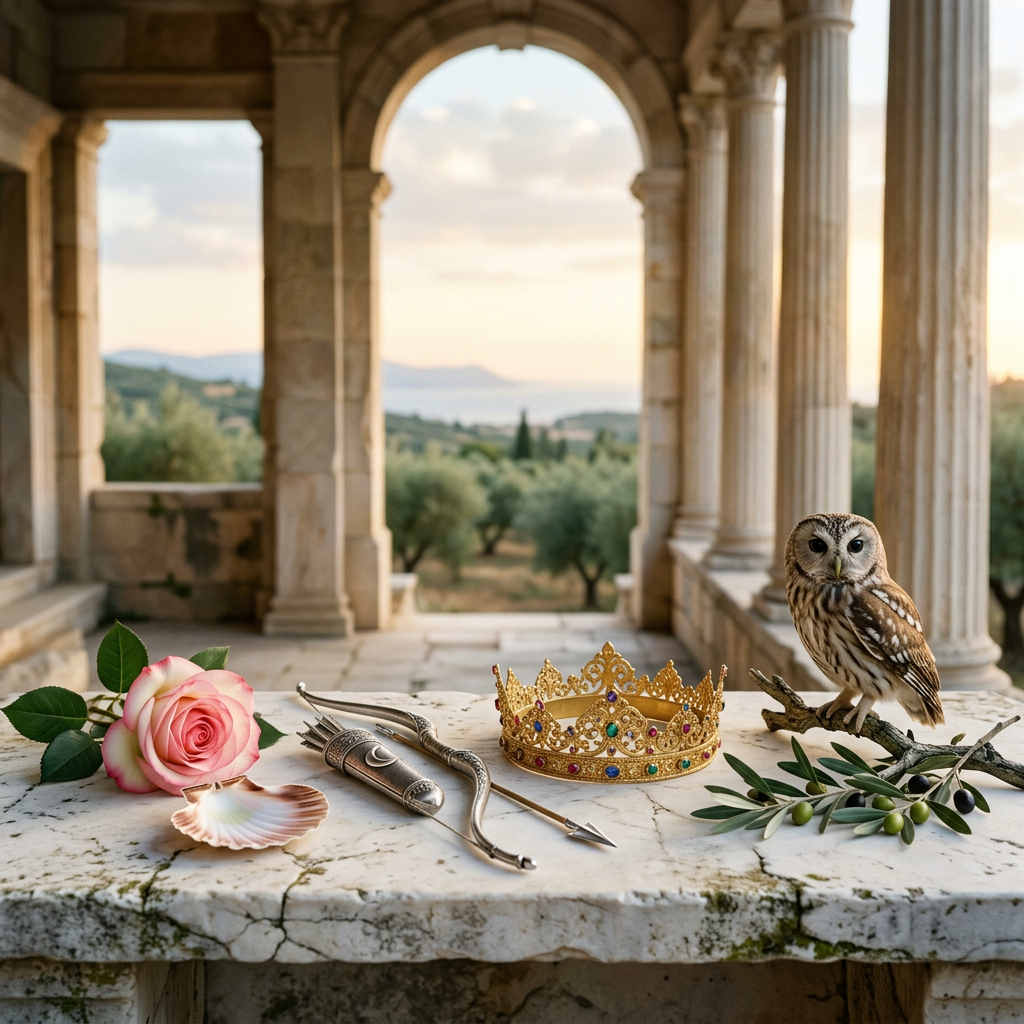
Artemis, goddess of the hunt, represented athletic grace and natural strength. Her imagery influenced grooming associated with purity, simplicity, and physical capability. Smooth skin, braided hair, and herbal scents echoed her connection to the wild.
Hera, queen of the gods, symbolized regal beauty and authority. Her aesthetic leaned toward structure: polished hair, rich fabrics, and fragrances tied to status and ceremony. She embodied dignity and controlled elegance.
Athena, goddess of wisdom, reflected intellectual beauty — clarity, discipline, and balance. Her symbolism influenced neat grooming, modest adornment, and the belief that beauty and intellect could coexist.
Greek goddess beauty symbolism reveals a culture where aesthetics were spiritual, aspirational, and deeply meaningful. Beauty wasn’t just seen — it was interpreted.
I’m Stacey Hobbs, thanks for reading Face by Stace! Until next time.
do you feel fabulous today?

