Inside the Forbidden City, beauty was ritual, discipline, and hierarchy. Imperial women lived in a world where appearance reflected status, harmony, and the cultural ideals of the court. Every detail — from skincare to fragrance — followed tradition.
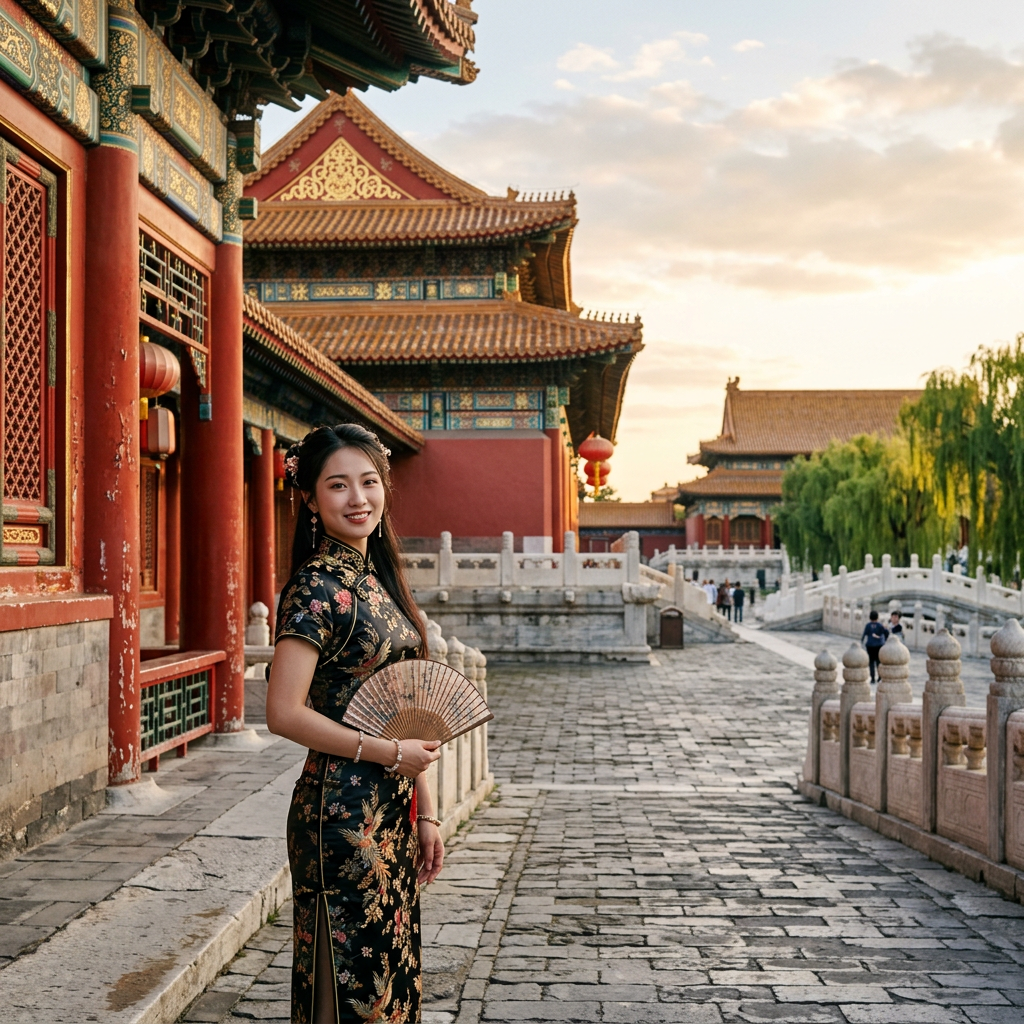
Daily grooming began at dawn. Palace women used warm herbal infusions made from chrysanthemum, lotus, or mugwort to cleanse and calm the complexion. These herbs symbolized purity, longevity, and protection. After cleansing, jade rollers and gua sha stones were used to cool the skin and promote circulation, aligning beauty with balance.
Cosmetics were refined and symbolic. Silk powder created a soft, matte finish, while safflower or peony rouge added gentle warmth to the cheeks. Colours were chosen carefully; bold tones were reserved for festivals, while everyday looks remained subtle and harmonious.
Fragrance played a quiet but powerful role. The palace was filled with incense halls, where blends of sandalwood, agarwood, and plum blossom were burned to purify the air and elevate the spirit. Women wore embroidered sachets filled with osmanthus or clove, offering a soft scent that moved with them.
Hair was equally important. Long, glossy hair symbolized health and refinement. Palace women used camellia oil for shine and adorned their styles with gold, jade, and kingfisher‑feather hairpins — each motif carrying meaning, from protection to prosperity.
Beauty in the Forbidden City wasn’t vanity. It was order, symbolism, and the quiet power of ritual.
I’m Stacey Hobbs, thanks for reading Face by Stace! Until next time.
do you feel fabulous today?

