If you’ve ever looked at portraits from the 1700s and wondered why everyone seemed to be wearing giant white wigs, you’re not alone. Those powdered hairstyles weren’t just a fashion statement. They were a symbol of status, wealth, and social standing.
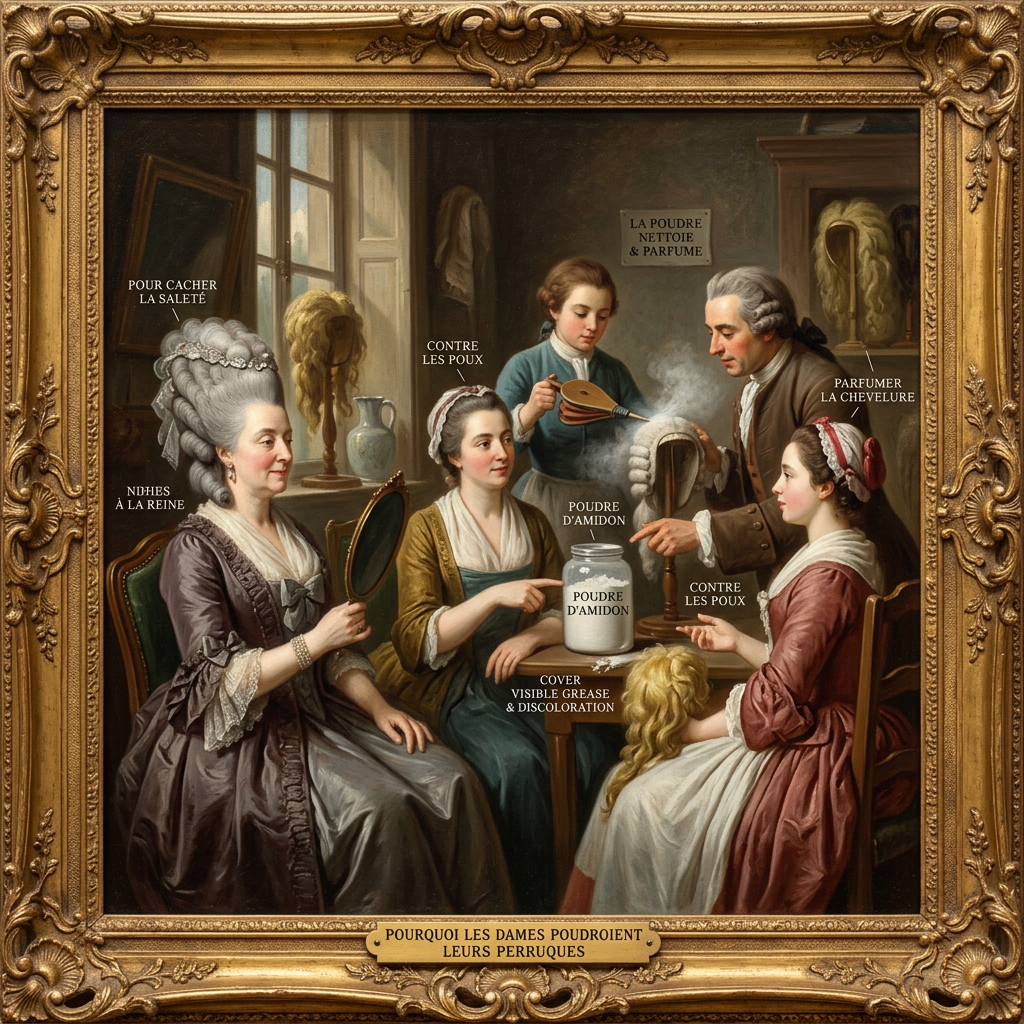
The trend became especially popular in Europe during the seventeenth and eighteenth centuries. While wigs themselves were fashionable, the powder applied to them elevated the look even further. Most powders were made from starch and were often scented with fragrances such as lavender, rose, or orange blossom to help disguise unpleasant odours.
And yes, odour control was part of the appeal.
At a time when bathing habits differed greatly from modern standards, wigs offered a practical alternative to styling natural hair. Powder helped absorb oils, freshen the wig, and create the soft white appearance that became highly desirable among the upper classes.
The whiter the wig, the more fashionable it was considered. Wealthy aristocrats, politicians, military officers, and members of royal courts embraced the trend. Powdered wigs became so closely associated with privilege that they were often viewed as a visible marker of social rank.
Of course, fashion eventually moved on. By the late eighteenth and early nineteenth centuries, more natural hairstyles began replacing the elaborate powdered look. What had once represented sophistication gradually came to symbolize an earlier era.
Today, powdered wigs survive mainly in historical portraits, period dramas and a few legal traditions. Yet their influence remains an unforgettable chapter in beauty and fashion history.
The next time you spot a towering white wig in a museum painting, remember that it wasn’t simply hair. It was a status symbol, a grooming product, and a fashion trend all rolled into one.
Beauty History Verdict: Before luxury handbags and designer labels, powdered wigs were one of the ultimate ways to say, “I’ve arrived.”

