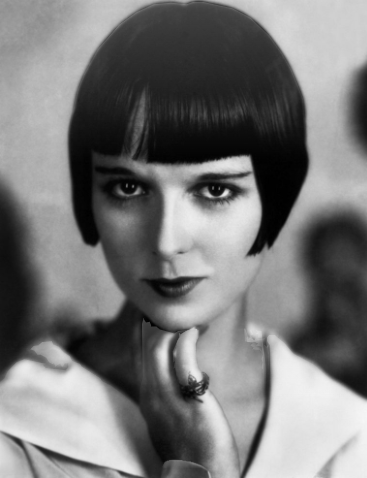
The 1920s introduced a new rhythm to beauty: one face for the modern woman by day and another for the Jazz Age siren by night. The contrast was intentional, dramatic and deeply tied to the cultural shift of the decade.
Daytime beauty in the 1920s was fresh, efficient and softly modern. Women were working, socializing and moving through a faster world so their makeup reflected practicality. Complexions were matte but natural, achieved with light powder rather than the porcelain finish reserved for evening. Rouge was applied sparingly for a healthy flush, blending seamlessly into the cheeks. Lips were tinted with soft reds or berry balms, still shaped into a Cupid’s bow but with gentler definition. Eye makeup remained minimal—just a touch of mascara, if any. Hair was neat, lightly waved and often tucked beneath a cloche hat, completing the daytime silhouette of the modern woman.
Evening glamour, however, belonged to the nightlife. Under smoky lights in speakeasies and dance halls, beauty became theatrical. Complexions turned velvety and pale, creating a striking contrast against deeper lip shades like claret, blackberry and oxblood. The Cupid’s bow sharpened into a dramatic, sculpted shape. Eyes were smudged with kohl and charcoal, creating the iconic smoky, shadowed look that defined Jazz Age seduction. Rouge was applied higher on the cheeks for youthful intensity and hair transformed into glossy, sculpted waves that caught the light with every movement.
The shift from day to night wasn’t subtle—it was a transformation. The 1920s woman embraced both sides of herself: modern efficiency by day and un-apologetic glamour after dark.
I’m Stacey Hobbs, thanks for reading Face by Stace! Until next time.
do you feel fabulous today?

