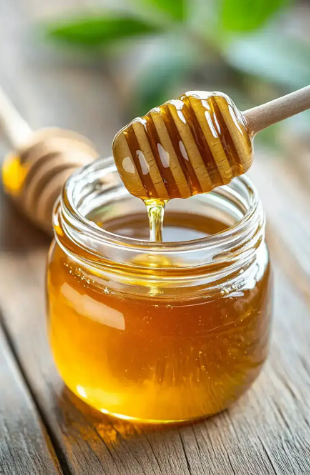
Honey is one of the oldest beauty ingredients in the world — a natural humectant, antibacterial, soothing, and deeply nourishing. Across civilizations, honey masks weren’t trends; they were rituals. Each era used honey differently, but always for the same purpose: softness, glow, and healing.
Ancient Egypt
Cleopatra famously used honey in her beauty routine. Her masks and milk‑and‑honey baths softened the skin and protected it from desert dryness. Honey was prized for hydration and radiance.
Ancient Greece
Greek women blended honey with olive oil to create early dual‑phase masks. This mixture delivered moisture, glow and resilience, a simple ritual that became a Mediterranean staple.
Ancient China
Chinese beauty traditions paired honey with finely milled rice powder. The result: brightening masks that gently exfoliated and refined the skin, creating a porcelain-like finish.
Victorian Era
Victorian women used honey mixed with rosewater to soften the complexion and calm redness. It was considered a gentle, feminine beauty treatment.
Early Hollywood
Behind the scenes, actresses used honey masks to hydrate and plump their skin before filming. Honey created a natural glow under studio lights — a quiet ritual that helped maintain camera-ready skin.
Modern Era
Today, honey is a clean beauty staple. It hydrates, soothes, supports the skin barrier and offers natural antibacterial benefits. Honey masks fit seamlessly into modern skincare routines and seasonal beauty rituals.
Honey’s beauty legacy spans continents and centuries. It connects ancient rituals to modern skincare, offering hydration, glow and comfort across every era. Its simplicity — and effectiveness — make it one of the most enduring ingredients in beauty history.
I’m Stacey Hobbs, thanks for reading Face by Stace! Until next time.
do you feel fabulous today?

