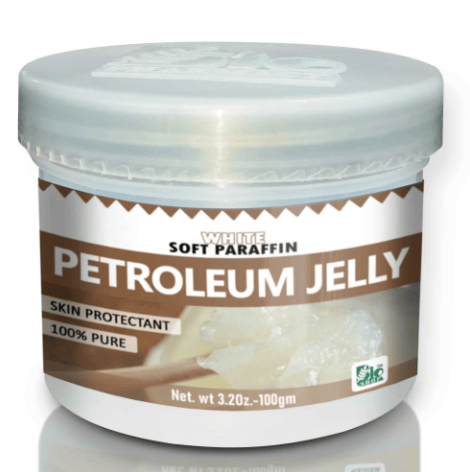
During the Great Depression, beauty didn’t disappear — it adapted. When mascara became an un-affordable luxury, women turned to one of the most resourceful hacks of the era: soot mixed with petroleum jelly. It was simple, inexpensive and surprisingly effective, giving lashes the dark definition that made eyes look awake, expressive and feminine in a time when hope felt fragile.
Soot was easy to obtain — from kerosene lamps, candle wicks, burnt cork or stove residue. Women scraped or collected the fine black powder and blended it with a small dab of petroleum jelly, creating a makeshift cream that mimicked early cake mascaras. Applied with a fingertip, a sewing needle or the corner of a handkerchief, it darkened lashes and added subtle thickness. It wasn’t glamorous but it worked.
This hack wasn’t just about beauty; it was about dignity. In an era defined by scarcity, a touch of lash definition helped women feel polished and confident. It restored a sense of normalcy when everything else felt unstable. Beauty became an act of resilience — a small ritual that reminded women of who they were before the world changed.
Soot‑and‑jelly mascara also reflected the ingenuity of the decade. It was the precursor to modern DIY beauty culture, proving that creativity can replace luxury when necessary. And it echoed the earliest mascaras of the 1910s and 1920s, which were themselves made from similar mixtures of wax, pigment and oils.
Today, this Depression‑era trick stands as one of the most iconic examples of resourceful beauty. It reminds us that glamour doesn’t always come from a store — sometimes it comes from creativity, determination and the desire to feel human in difficult times.
I’m Stacey Hobbs, thanks for reading Face by Stace! Until next time.
do you feel fabulous today?

