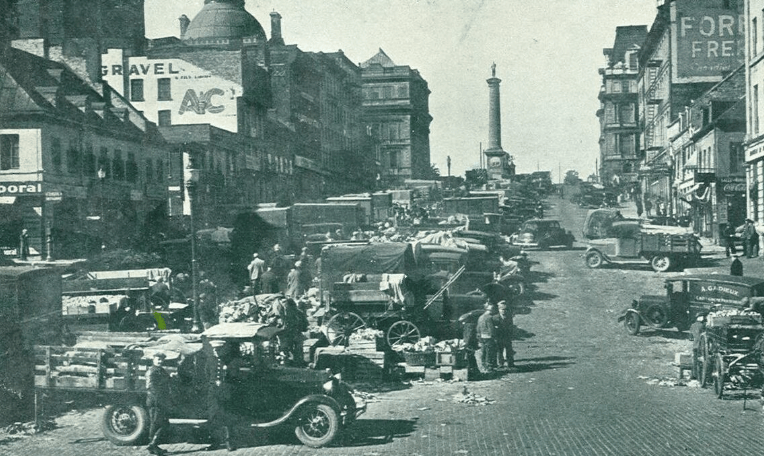
Montreal, often referred to as “Paris of the New World” or “Paris of North America, specifically by Americans during the 1920s, during Prohibition era. In the 1930s, Montreal wasn’t just a Canadian city — it was one of North America’s most important garment hubs. Its factories produced dresses, coats, lingerie, uniforms, knitwear and underpinnings that shipped across Canada and into the United States. The district buzzed with energy: sewing machines humming, fabric mills running, designers sketching and workers moving through narrow streets lined with warehouses and ateliers.
Montreal’s strength came from its blend of cultures — French influence, English industry and immigrant craftsmanship. This mix created a fashion ecosystem that valued both artistry and practicality. While Paris dictated couture, Montreal mastered mass production without sacrificing quality.
“Paris of the New World” excelled in:
- Lingerie and undergarments (including the Wanderbra)
- Ready‑to‑wear dresses
- Knitwear and sportswear
- Uniforms and workwear
- Affordable fashion for Depression‑era households
Montreal’s garment district was also a major employer for women, giving them economic independence during a decade when jobs were scarce. Seamstresses, pattern cutters, finishers and pressers formed the backbone of the industry.
By the mid‑20th century, Montreal had earned a reputation as the “Paris of North America,” not because it copied French fashion but because it created its own blend of elegance and practicality. The city’s garment district shaped Canadian fashion identity — and influenced American wardrobes too.
I’m Stacey Hobbs, thanks for reading Face by Stace! Until next time.
do you feel fabulous today?

