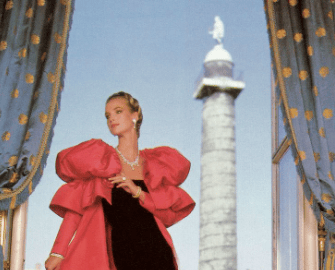
French beauty has never been a trend. It has always been a philosophy — a way of moving through the world with intention, restraint and a refusal to be over‑styled. But the modern era, beginning in the 1970s and stretching into the present, marks a profound shift. French beauty became less about cinematic rebellion and more about lived elegance: a balance of sensuality, minimalism and quiet luxury.
This is the era that shaped the global idea of “French girl beauty.” But its roots are deeper, more nuanced and far more culturally layered than the clichés suggest.
1. The 1970s: Bare Skin, Intellectual Sensuality and the Rise of Natural Beauty
The 1970s in France were defined by:
- political awakening
- feminist movements
- cultural experimentation
- a rejection of rigid beauty norms
Women embraced beauty that felt:
- natural
- breathable
- sensual without effort
- intellectually grounded
Skin: The Era of Natural Radiance
Foundation became lighter. Powder became optional. Freckles were embraced. Skin looked like skin — not a canvas.
This was the decade when French women began to treat skincare as self‑care, instead of vanity.
Hair: The Undone Wave
Soft waves, air‑dried texture and fringe that fell into the eyes became signatures. The goal was movement, as opposed to control.
Makeup: Minimal But Meaningful
A touch of kohl. A smudge of mascara. A lip that looked kissed‑off.
Beauty was not performed. It was lived.
2. The 1980s: The French Response to Excess — Controlled Glamour
While the world embraced maximalism — neon, contour, heavy shadow — France responded with controlled glamour.
The French 1980s Look
- satin skin
- defined eyes
- soft red lips
- brushed‑up brows
- hair with volume but minus the chaos
It was glamour without glitter. Luxury without loudness.
French beauty in the 1980s was about polish.
3. The 1990s: The Birth of “Effortless Chic”
The 1990s cemented the global mythology of the French woman:
- the un-done bob
- the bare face
- the red lip
- the masculine‑feminine wardrobe
- the cigarette‑and‑coffee aesthetic (culturally iconic, not aspirational)
Skin: Matte Minimalism
The 90s French complexion was:
- matte
- clean
- lightly perfected
- never heavy
Lips: The Modern French Red
Not lacquered. Not theatrical. Just red — worn with ease.
Hair: The Iconic French Bob
Think:
- Amélie
- Inès de La Fressange
- Caroline de Maigret
The bob became a symbol of independence.
4. The 2000s: Skincare as Identity
The early 2000s marked a shift from makeup to maintenance.
French women embraced:
- pharmacy skincare
- micellar water
- retinol
- vitamin C
- minimalist routines
Makeup became secondary.
Skin became the priority.
This is the era that birthed the global obsession with “French pharmacy beauty.”
5. The 2010s: The Globalization of French Beauty
Social media exported French beauty worldwide.
Suddenly, the world wanted:
- effortless hair
- red lips
- natural skin
- simple routines
- neutral palettes
- un-done chic
But the French approach remained rooted in philosophy, not products.
The Core Principles
- less but better
- quality over quantity
- sensuality over perfection
- individuality over trends
- authenticity over performance
6. The 2020s–Present: Quiet Luxury, Soft Minimalism, and the Return of Depth
Modern French beauty is not about looking “French.” It’s about looking intentional.
Skin: Dewy, Healthy, Un-forced
Not glass skin. Not matte skin. Just healthy skin.
Makeup: Strategic Minimalism
- soft liner
- brushed brows
- blurred lips
- cream textures
- monochrome palettes
Hair: Air‑Dried Elegance
The modern French woman’s hair is:
- natural
- slightly messy
- perfectly imperfect
Fragrance: Identity, Not Accessory
French women wear fragrance like a signature — never as a trend.
7. The Philosophy: Beauty as a Life Practice
Modern French beauty is not a look. It is a lifestyle.
It communicates:
- confidence
- restraint
- sensuality
- intelligence
- emotional depth
- lived experience
It is beauty that comes from:
- skincare
- sleep
- hydration
- good fabrics
- good lighting
- good habits
- good boundaries
Modern French beauty evolved from the intellectual rebellion of the 1960s into a global aesthetic defined by minimalism, sensuality and a subtle form of luxury. From bare 1970s skin to the polished restraint of the 1980s, the effortless chic of the 1990s, and the skincare‑first philosophy of the 2000s, French beauty has remained rooted in authenticity. Today, it is less about looking “French” and more about living with intention — beauty shaped by confidence, simplicity and the art of not trying too hard.
I’m Stacey Hobbs, thanks for reading Face by Stace! Until next time.
do you feel fabulous today?
 Face by Stace