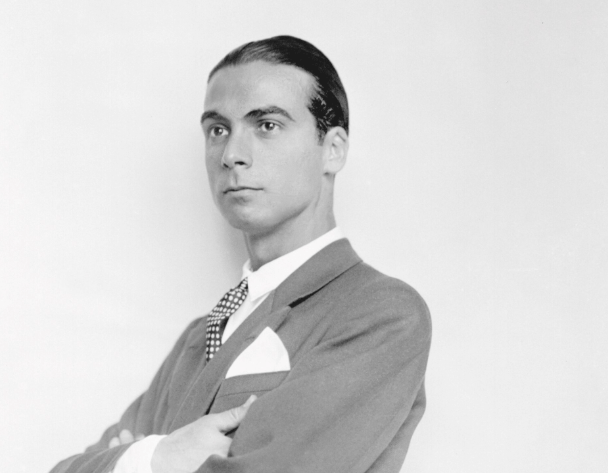
Balenciaga’s work endures because it offers a blueprint — a set of principles that modern designers still rely on when they want to create clothing with intention, clarity and architectural force. His designs were never about decoration; they were about structure. They were not about pleasing the eye; they were about re-shaping it. In an era where fashion moves quickly and trends evaporate overnight, Balenciaga’s philosophy remains a compass for designers who want their work to last.
The first principle is purity of line. Balenciaga believed that a garment’s power came from its silhouette not its surface. He stripped away anything that distracted from shape: embellishment, un-necessary seams, decorative flourishes. What remained was line — clean, deliberate, un-compromising. Modern designers who pursue minimalism, sculptural tailoring or architectural volume are working directly from this blueprint.
The second principle is discipline of proportion. Balenciaga understood that proportion could transform the body more radically than ornament ever could. He played with volume, dissolved the waistline, elongated the torso and created shapes that hovered around the wearer like architecture. Today, when designers experiment with oversized coats, cocoon silhouettes or engineered draping, they are echoing Balenciaga’s belief that proportion is a form of power.
The third principle is fabric as structure. Balenciaga treated textiles like building materials. He collaborated with mills to create gazar, a fabric that allowed him to sculpt impossible shapes. He believed that fabric should support architecture not merely decorate it. Modern couture houses still follow this rule, engineering textiles that behave like structural elements — a direct inheritance from Balenciaga’s atelier.
The fourth principle is silence as method. Balenciaga worked privately, obsessively, without spectacle. He believed that creativity required focus. Silence protects vision.
The final principle is integrity of intention. Balenciaga never compromised. He refused to dilute his work for commercial appeal or adapt to trends he did not believe in. His withdrawal from fashion was an act of preservation, as opposed to retreat. Modern designers who prioritize authenticity, who build collections around ideas are continuing his legacy.
Part XIV marks the moment when Balenciaga’s story becomes a guide — not just for designers, but for anyone who creates. His blueprint teaches that modern design is not about excess, it is about clarity.
Not about speed, more about precision.
Not about noise, but about conviction.
Balenciaga’s principles remain relevant because they speak to the foundation of all great design: intention, architecture and the courage to pursue purity.
I’m Stacey Hobbs, thanks for reading Face by Stace! Until next time.
do you feel fabulous today?
 Face by Stace