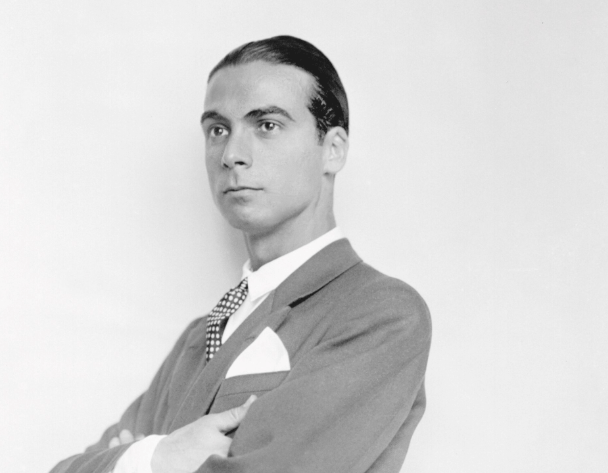
Cristóbal Balenciaga’s beauty vibe was as un-compromising as his couture. Just as he stripped away un-necessary seams, embellishment, and ornamentation in his garments, he demanded the same purity and discipline in the grooming of his models. In Balenciaga’s salons, beauty was not decorative — it was structural. The face and hair existed to support theContinue reading “Balenciaga: Salon Beauty Aesthetic (Severe Buns, Clean Faces)”
Tag Archives: Balenciaga
Balenciaga: The Baby‑Doll Dress (Late 1950s)
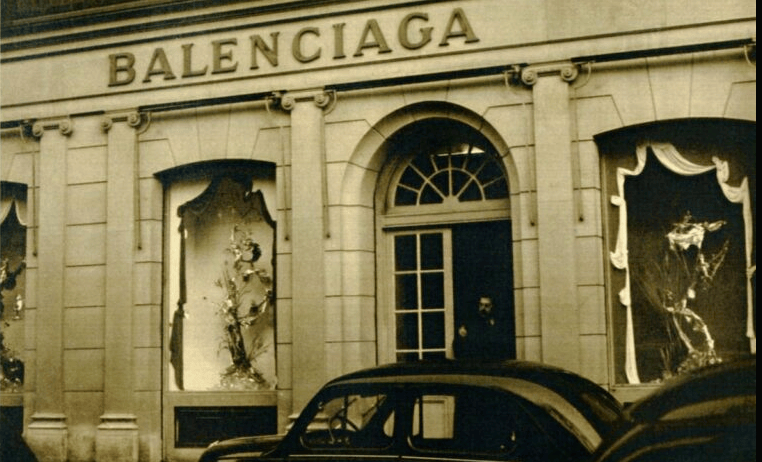
After the shockwaves of the 1957 sack dress, Cristóbal Balenciaga continued dismantling traditional silhouettes with another radical creation: the baby‑doll dress. Introduced in the late 1950s, this silhouette floated away from the body with a short, elevated waistline and a gentle outward flare. It was youthful, architectural and deliberately anti‑hourglass — a rebellion against theContinue reading “Balenciaga: The Baby‑Doll Dress (Late 1950s)”
Balenciaga: The Sack Dress (1957)
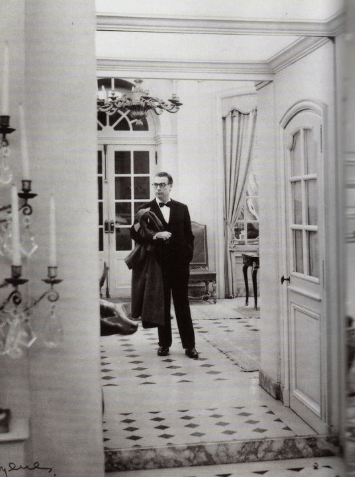
In 1957, Cristóbal Balenciaga introduced a silhouette so radical that it split the fashion world in two: the sack dress. At a time when Dior’s cinched waists and sculpted hourglass shapes dominated global style, Balenciaga unveiled a garment with no waistline at all — a straight, fluid column that skimmed the body without defining it.Continue reading “Balenciaga: The Sack Dress (1957)”
Balenciaga: Engineering Genius (The Architect of Modern Couture)
Cristóbal Balenciaga was not merely a couturier, he was a structural engineer working in fabric. In an era when most designers sketched ideas and relied on teams of cutters and drapers to execute them, Balenciaga alone mastered every stage of construction. He could cut, drape, tailor, stitch and finish a garment with the precision ofContinue reading “Balenciaga: Engineering Genius (The Architect of Modern Couture)”
The Postwar Fashion Boom: Dior’s New Look vs. Balenciaga’s Architectural Purism
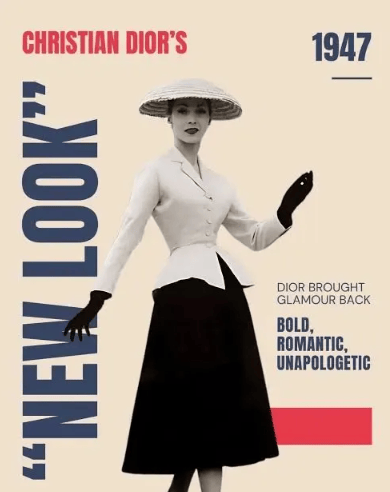
The postwar fashion boom was not merely a return to luxury — it was a clash of philosophies that reshaped modern couture. At the centre of this transformation stood two titans: Christian Dior, who revived romance with his revolutionary New Look, and Cristóbal Balenciaga, whose architectural purism re-defined silhouette, structure and restraint. Their opposing visionsContinue reading “The Postwar Fashion Boom: Dior’s New Look vs. Balenciaga’s Architectural Purism”
The Birth of the Fashion House: From Atelier to Empire
The modern fashion house began as a humble atelier — a workshop where garments were crafted by hand, one client at a time. But in the late 19th and early 20th centuries, visionary designers transformed these ateliers into cultural empires. Charles Frederick Worth led the shift, elevating dressmaking from a trade to an authored artContinue reading “The Birth of the Fashion House: From Atelier to Empire”

