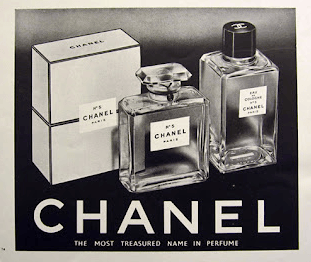
As Chanel No. 5 surged through the late 1920s and early 1930s, Chanel began to understand the true scale of what she had given away. Parfums Chanel was expanding rapidly, new markets, higher production, international reach, and the Wertheimers were re-investing profits to grow the business even further. Chanel watched her name become a global commodity, yet she held only a small fraction of the company that controlled it.
Her 10% share, once a practical compromise, now felt like a constraint on her identity and her authority. Chanel believed the Wertheimers were profiting disproportionately from her creativity, her image, and her cultural influence. She accused them of withholding financial transparency, of exploiting her brand, and of failing to give her the control she felt she deserved.
Attempts to re-negotiate the contract went nowhere. The Wertheimers held the majority; they had no incentive to alter the terms. Chanel’s frustration hardened into resentment. She wanted ownership, not partnership. She wanted the empire that was forming around her name to be hers — fully, un-questionably, legally.
By the mid‑1930s, the conflict had shifted from dis-satisfaction to determination. Chanel was no longer simply un-happy with the deal; she was actively looking for a way to undo it. And when war broke out, she saw an opportunity — one that would take the dispute into its darkest and most controversial chapter.
I’m Stacey Hobbs, thanks for reading! Until next time.
do you feel fabulous today?
 Face by Stace