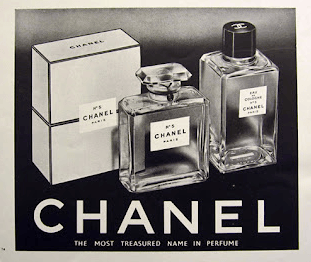
The story of Chanel’s empire is not just a tale of couture and perfume, it is a battle over ownership, ambition and the right to define a legacy. Behind the elegance of No. 5 lies a decades‑long conflict between Coco Chanel and the Wertheimer family, a struggle that altered the future of the brand more than any runway collection. What began as a practical business partnership in the 1920s evolved into one of the most consequential power disputes in luxury history.
Chanel was on top of the world, with full ownership of her couture house, until she forged a partnership that would change everything. Section One begins with the deal that cost Chanel control of her own perfume, No. 5.


The 1924 Deal:
The Beginning of a Power Imbalance
In 1924, Chanel entered a partnership that would define the rest of her career, and haunt her for decades. To scale No. 5 beyond boutique production, she needed industrial manufacturing, international distribution, and capital. The Wertheimer family, owners of Bourjois, had all three. They offered to create a new company, Parfums Chanel, and handle the production, marketing, and global expansion of No. 5.
Chanel agreed to the deal, but the terms were stark: she received only 10% of the company. The Wertheimers took 70%, and her trusted associate Théophile Bader received the remaining 20%. Chanel believed she was securing the future of her fragrance; instead, she had signed away control of what would become the most profitable part of her brand.
This moment — a single contract — set the stage for a decades‑long battle over ownership, power, and the right to define the Chanel empire.
I’m Stacey Hobbs, thanks for reading! Until next time.
do you feel fabulous today?
 Face by Stace