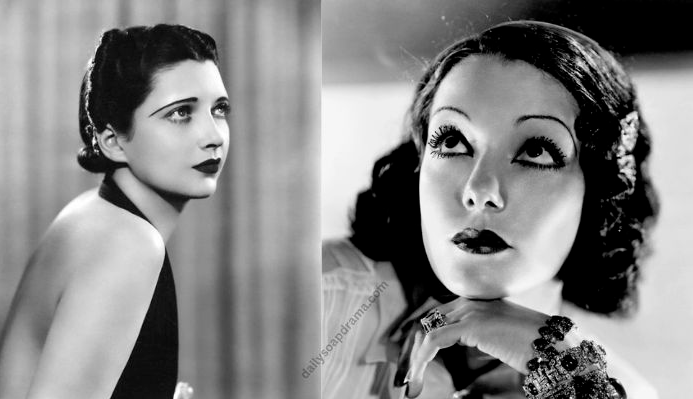
The 1920s was a decade obsessed with transformation. Women were cutting their hair, shortening their hemlines, and stepping boldly into modern life. But while the flapper aesthetic was exploding in Hollywood and on dance floors, everyday women still lived under the shadow of old‑world expectations. Respectable ladies weren’t supposed to paint their faces, it must be in a subtle manner. Makeup was still tangled up with ideas of impropriety, seduction and scandal.
And that tension created an entire underground beauty culture.
Welcome to the world of bootleg beauty, where cosmetics were purchased under the table so to speak, applied discreetly, and carried with the same rebellious thrill as slipping into a speakeasy. Welcome to the decade of bootlegging, as it appears.
The Scandal of a Painted Face
To understand why makeup felt illicit, you have to understand the mindset of the era. For generations, cosmetics were associated with actresses, chorus girls, and “fast” women, not wives, mothers, or society girls. A bold lip or a smoky eye could instantly shift how a woman was perceived. It was
So when a woman bought lipstick in 1923, she wasn’t just buying colour. She was also buying freedom and taking a social risk to obtain it.
Behind the Curtain: How Stores Hid Their Makeup
Walking in to a department store, they knew society wasn’t ready for a woman to purchase cosmetics openly. So, they created a system of discreet access:
- Rouge tins kept behind velvet curtains
- Lipsticks stored in locked glass cases
- Powder compacts sold only upon request
- Shopgirls trained to hand over items without comment
It wasn’t metaphorical.
It was real.
Buying makeup required a whisper, a nod, a moment of courage.
Women loved it.
Mail‑Order Makeup:
Glamour in a Plain Brown Envelope
For women who wanted privacy, mail‑order beauty became a lifeline. Catalogs offered lipsticks, powders, and creams under vague names like “youth tint,” “youth creams,” or “complexion enhancer.” Packages arrived unmarked, tucked between household goods and sewing notions.
This was the birth of private beauty consumerism. The very idea that a woman could curate her own image without anyone else’s approval.
It was modern.
It was liberating.
It was revolutionary.
Cosmetics and Prohibition: Parallel Rebellions
The 1920s was the era of the speakeasy — in America, speakeasies relied on hidden bars, secret passwords, and forbidden cocktails. Bootleg beauty fit right into that cultural mood. Buying a tube of lipstick carried the same rebellious energy as ordering a gin rickey behind a locked door.
Both were technically allowed.
Both were socially frowned upon.
Both made women feel daring, modern, and alive.
Cosmetics weren’t illegal — but they felt deliciously illicit.
Hollywood Wanted Glamour.
Society Wanted Modesty.
Silent‑film stars like Clara Bow, Louise Brooks, and Theda Bara were re-defining beauty with cupid‑bow lips, kohl‑rimmed eyes, and sculpted brows. Women everywhere wanted to copy the look.
But society wasn’t ready for women to wear makeup, never mind the kind of makeup these women were opting for; the flapper look.
So women did what women always do: They found a way.
They bought their makeup discreetly. They applied it in bathrooms, bedrooms, and dressing rooms. They stepped out into the world with a new face, what came with it was a new identity, or at least to how they had thought and felt.
Coded Language:
How Beauty Brands Hid the Truth
Early beauty companies had to walk a fine line. They wanted to sell makeup, but they didn’t want to scandalize their customers. So they used soft, coded language:
- “Youth cream”
- “Complexion enhancer”
- “Natural tint”
- “Skin brightener”
Everyone knew what these products really were. But the euphemisms made them socially acceptable, or at the very least deniable.
The Quiet Birth of the Modern Woman
Bootleg beauty wasn’t just about rouge and lipstick. It was about autonomy for women of the 1920s.
Every discreet purchase, every hidden compact, every unmarked package represented a woman choosing her own image, as opposed to the one society assigned her.
In the 1920s, makeup wasn’t merely cosmetic.
It was political.
It was personal.
It was power.
And the women who bought it discreetly, boldly, defiantly, helped shape the modern beauty industry as we know it.
I’m Stacey Hobbs, thanks for reading! Until next time.
do you feel fabulous today?
 Face by Stace