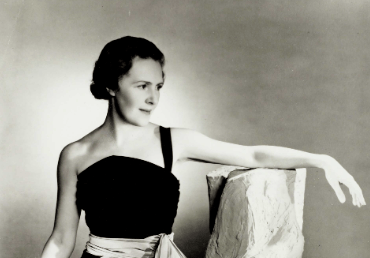
The 1930s marked a new chapter for Lanvin — one defined by fluidity, elegance and the rise of bias‑cut glamour. While the 1920s were structured and architectural, the 1930s softened into movement, drape and sensuality.
Jeanne Lanvin embraced the decade’s cinematic allure, creating gowns that shimmered, flowed and captured light like water.


The Bias Cut: Liquid Movement and Modern Seduction
The bias cut — pioneered by Madeleine Vionnet — became a defining technique of the 1930s. Lanvin adopted it with her own signature softness.
Her gowns featured:
- silk charmeuse and satin
- velvet draped on the bias
- fluid lines that hugged the body
- movement that felt almost musical
Lanvin’s bias‑cut dresses were less about seduction and more about elegance — a kind of refined sensuality that defined the decade.
Couture Romance: Embroidery, Draping and Evening Glamour
The 1930s were Lanvin’s golden era of evening wear.
- metallic embroidery
- crystal beadwork
- velvet gowns with sculptural drape
- capes, boleros and dramatic sleeves
- soft pastels and jewel tones
Her designs captured the glamour of the era’s cinema — gowns meant to be seen under chandeliers, photographed in silver light and worn by women who understood the power of quiet drama.
Lanvin’s 1930s Woman: Poised, Modern, Radiant
Lanvin’s clientele expanded globally during this decade.
Her designs were worn by:
- actresses
- performers
- aristocrats
- women who wanted elegance with movement
The 1930s Lanvin woman was confident, modern and luminous — a reflection of the decade’s sophistication.
Why the 1930s Matter for Lanvin
This era cemented Lanvin’s reputation as a master of drape, a leader in couture eveningwear, a designer who understood movement and a creator of timeless glamour.
The 1930s were the moment Lanvin stepped fully into the realm of cinematic couture — a legacy that still shapes the house today.
I’m Stacey Hobbs, thanks for reading Face by Stace! Until next time.
do you feel fabulous today?
 Face by Stace