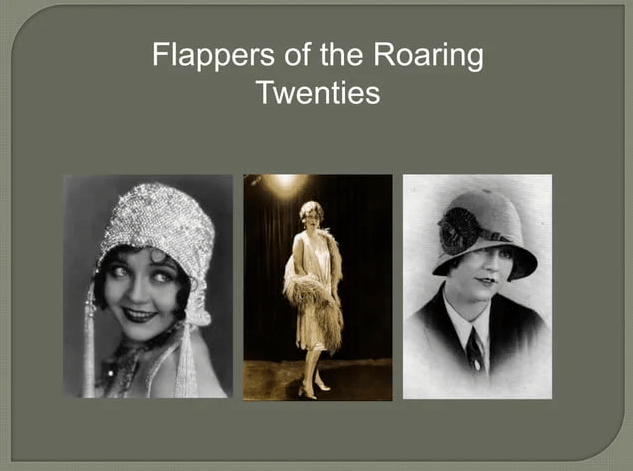
The flapper is one of the most iconic figures of the 1920s. They wore bobbed hair, short skirts, jazz, lipstick, rebellion. But while the American flapper dominates pop‑culture memory, Canada had flappers too. They shared the same spirit of modernity, but their expression was shaped by a different social landscape.
Here’s how the two versions of the flapper diverged and why it actually matters.
The American Flapper:
The Rebel of the Jazz Age
The American flapper was bold, loud and unapologetically modern. She was the product of Prohibition, speakeasies and underground nightlife, jazz culture in cities like New York, Chicago, and New Orleans, Hollywood glamour, mass media, and a booming consumer culture.
Her look was more extreme than that of her Canadian counterpart with her shorter hemlines, dramatic make-up, visible nightlife culture, cigarettes and cocktails, Charleston dancing, and a public rejection of Victorian morality.
She was a symbol of rebellion.
The Canadian Flapper:
A Softer, Subtler Modernity
Canada had flappers too but the country’s social climate shaped them differently.
Canada in the 1920s was more about conservatism, more influenced by British manners and fashion, less urbanized, not under nationwide Prohibition (only some provinces were under Prohibition, and for shorter periods) and slower to embrace nightlife culture
So the Canadian flapper tended to be more restrained in dress, less tied to nightlife and speakeasy culture, more middle‑class than the American “party girl” stereotype, and influenced by British fashion rather than Hollywood extremes
She still bobbed her hair, wore shorter skirts, danced, smoked and embraced modernity however her rebellion was quieter, more socially cautious, and less sensationalized.
The Key Difference
American flappers were cultural rebels.
Canadian flappers were cultural adapters.
Both embraced freedom, youth, and modern womanhood, however the American version was louder, more public, and more tied to nightlife and mass media.
The Canadian version was modern too, just expressed with a softer edge.
The flapper wasn’t about a single woman, the flapper era was all about a movement. And movements look different depending on where they land.
In the U.S., she was a symbol of defiance. In Canada, she was a symbol of transition.
Both changed the way women dressed, behaved and imagined their futures.
Two countries, one decade, one shared desire:
to be young, modern and liberated.
I’m Stacey Hobbs, thanks for reading. Until next time!
do you feel fabulous today?
 Face by Stace