Canada’s nightlife culture during Prohibition was fundamentally different from the United States.
Prohibition was first enacted on a provincial basis in Prince Edward Island in 1901.
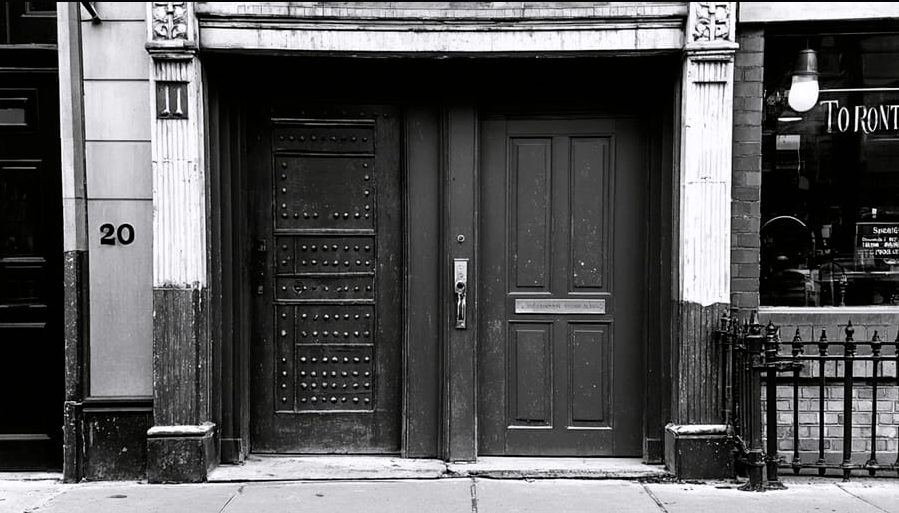
Oh, Canada, has speakeasies all right throughout the nation in primarily in major cities, Toronto, Calgary, Montreal.

While American speakeasies were born out of strict, nationwide Prohibition, Canada’s nightlife in the 1920s followed a very different rhythm. Alcohol laws varied wildly by province, some of which banned liquor entirely, while others allowed controlled sales, and many shifted back and forth throughout the decade. The result was a nightlife scene that felt less like a criminal underworld and more like a cabaret‑infused, European‑leaning entertainment culture.
Canadian cities such as Montréal, Toronto, and Vancouver developed their own version of the speakeasy. Speakeasies in these cities were part jazz club, part dance hall, part cabaret theatre. Instead of hidden basements and whispered passwords, many Canadian venues operated in a legal grey zone that was technically restricted, but openly tolerated. Patrons could enjoy cocktails, live music and dancing without the same level of secrecy or danger that defined American speakeasies.
Montréal, in particular, became the Paris of North America during this era. Its nightlife was famous for:
- cabaret stages
- chorus girls
- jazz orchestras
- cigarette girls and cocktail trays
- a cosmopolitan mix of French, American, and immigrant influences
American tourists crossed the border in droves, seeking the freedom they couldn’t find at home. While U.S. speakeasies symbolized rebellion, Canadian nightlife symbolized escape, a glamorous alternative to the restrictions of American Prohibition.
This difference shaped fashion, too. Canadian women embraced the flapper look — bobbed hair, beaded dresses, cupid’s bow lips — but their nightlife style leaned more toward cabaret glamour, as opposed to underground grit. Think feathers, sequins, satin gloves with a touch of Parisian theatricality.
Today, the contrast remains part of the cultural memory of the Jazz Age: America had speakeasies. Canada had cabarets. Both were vibrant, modern and intoxicating, however each told a different story about freedom, identity and the pursuit of pleasure.
I’m Stacey Hobbs, thanks for reading Face by Stace! Until next time.
do you feel fabulous today?
 Face by Stace