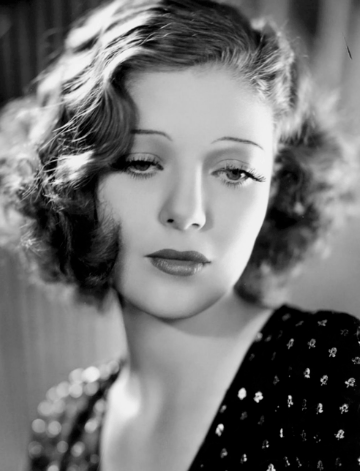
The sculpted, S‑shaped wave that became the decade’s signature glamour.
If there is one hairstyle that instantly evokes the 1930s, it’s the finger wave — those glossy, sculpted, S‑shaped ripples that hugged the head like liquid satin. Born in the late 1920s and perfected in the 1930s, finger waves became the ultimate symbol of Hollywood elegance and the Depression‑era.
They were dramatic. They were precise. And finger waves defined glamour.
What Made Finger Waves So Iconic?
Finger waves were more than a hairstyle, finger waves were a statement. The look captured the decade’s obsession with sculpted beauty, high-shine glamour, Hollywood fantasy and precision and control.
The waves framed the face beautifully, softening the sharp brows and sculpted cheekbones that defined 1930s make-up.
How Women Created Finger Waves
The technique to create finger waves was both simple and skillful. It really is a true art form and it takes an immense amount of finger and hand strength.
- Start with damp hair.
- Apply setting lotion (often homemade with sugar water or today, gel will suffice).
- Use the fingers and a comb to push the hair into alternating S‑shaped curves.
- Clip each ridge with metal wave clips.
- Allow the hair to dry completely before removing the clips.
This is historically accurate form of creating finger waves (I was taught this technique in school by a licensed hairstylist, I used gel as opposed to sugar water, but if if authenticity to the decade matters opt for sugar water). The result: glossy, structured waves that looked like they were carved from silk.
Why Finger Waves Became the Decade’s Signature Look
Finger waves were popular because they were:
- Affordable: no salon required.
- Versatile: worked on short bobs and longer hair.
- Photogenic: perfect for black‑and‑white film.
- Elegant: instantly elevated any look.
- Hollywood‑approved: worn by stars like Jean Harlow, Bette Davis, and Claudette Colbert.
They were the perfect blend of practicality and glamour, exactly what women needed during the Depression.
Hollywood’s Influence
Studio stylists perfected the finger wave, using them to create dramatic silhouettes; soft, face‑framing shapes; high‑shine textures that caught studio lights; and a polished, feminine aesthetic.
The look became synonymous with screen sirens and women everywhere copied it at home.
The Cultural Meaning Behind the Waves
Finger waves reflected the mood of the 1930s:
- An Escape: a touch of Hollywood glamour in hard times.
- Precision: beauty as discipline and artistry.
- Femininity: soft curves against structured fashion.
- Resourcefulness: it was a salon‑worthy look created with simple tools.
They were a small luxury in a decade that needed beauty more than ever.
The Legacy of Finger Waves
Finger waves never really truly disappeared. The technique may have revised, re-shaped, they have resurfaced in:
- the 1960s (mod glamour).
- the 1990s (supermodel era).
- the 2010s–2020s (red carpets, editorial shoots and natural‑hair artistry).
Today, they remain a symbol of vintage elegance, a timeless reminder of the artistry of early 20th‑century beauty.


I’m Stacey Hobbs, thanks for reading. Until next time!
do you feel fabulous today?
 Face by Stace