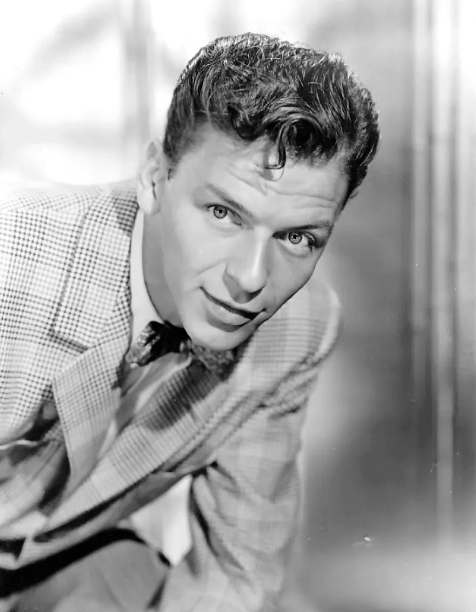
Before there were Beatlemania, Elvis Presly, there was Frank Sinatra, good old Blue Eyes.


The Frank Sinatra Phenomenon of the 1940s refers to the explosive, un-precedented cultural moment when Sinatra became the first modern pop idol, which is a level of youth‑driven celebrity America had never seen before. It wasn’t just about popularity; it was mass hysteria, teenage identity formation, and a new kind of fandom that shaped the rest of the 20th century.
What Was the Frank Sinatra Phenomenon?
The phenomenon began in the early 1940s when Sinatra emerged as a solo performer during wartime America. His smooth vocal style, emotional delivery and innovative microphone technique made him stand out from big‑band singers of the era. His 1943 re‑release of “All or Nothing at All” sold over a million copies and cemented his star power.
This success launched a cultural frenzy, especially among teenage girls, that the press had never seen before.
The Rise of the “Bobby‑Soxers”
Sinatra’s young female fans, which were known as bobby‑soxers in 1940s, became a defining symbol of 1940s youth culture. They wore loose clothing, saddle shoes and ankle socks, and were known for their intense devotion to Sinatra. Their enthusiasm included screaming, swooning, and fainting at concerts, such behaviours that shocked older generations and drew massive media attention.
By the late 1940s, “bobby‑soxer” became synonymous with teenage girls obsessed with Sinatra and the new youth fads of the era.
4 Cultural Turning Points
1. The Birth of the Modern Teenager
Before the 1940s, teenage girls were not a recognized consumer group. Sinatra’s fandom helped create the idea of the teen girl as a cultural force, by influencing fashion, music and marketing. Businesses began targeting them directly, recognizing their buying power.
2. The First Pop‑Culture Fan Frenzy
Bobby‑soxers formed fan clubs, wrote newsletters and attended dozens of concerts — sometimes causing crowd chaos that required police intervention. One girl famously attended fifty-six shows in eight days!
This was the earliest example of organized, large‑scale celebrity fandom, and this would be a precursor to Elvis Presley mania and Beatlemania, and modern culture.
3. Wartime Escapism
Entertainment was essential throughout the duration of WWII. Sinatra’s smooth and emotional singing style offered comfort, and escape during a time of rationing, un-certainty and loss.
4. A New Kind of Male Performer
Sinatra’s microphone technique and breath control allowed for a softer, more intimate vocal style that influenced an entire generation of singers.
Social Meaning of the Phenomenon
The Sinatra craze delivered more than just influenced, it delivered:
Teenage autonomy.
Girls spending time outside the home in theatres and dance halls.
Female desire becoming visible.
Their emotional displays challenged norms around how young women “should” behave.
A shift in American culture.
Youth became a powerful cultural and economic force.
Fan communities even discussed politics, civil rights and patriotism, showing that these girls were far more complex than the media’s “hysterical teen” stereotype.
The Frank Sinatra Phenomenon of the 1940s was the birth of modern fandom, modern teen culture and the first true pop‑idol hysteria, which was driven by bobby‑soxers whose passion re-shaped American entertainment.
I’m Stacey Hobbs, thanks for reading. Until next time!
do you feel fabulous today?
 Face by Stace