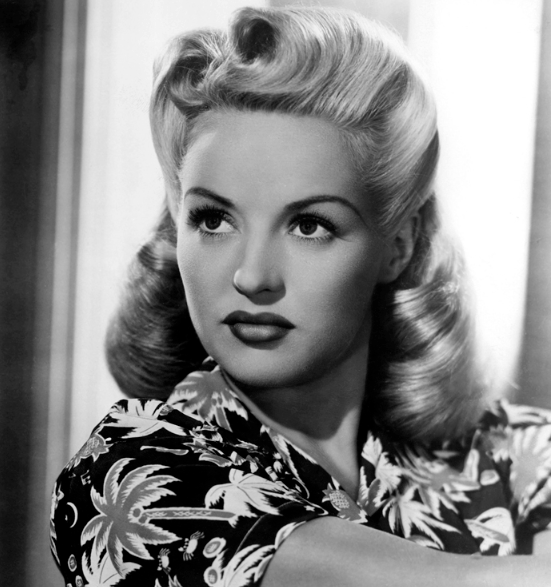
During the 1940s, a handful of fashion and beauty moments defined the decade and the Victory Roll was one of its brightest symbols. More than a hairstyle, it became a cultural emblem; a blend of resilience, glamour and wartime ingenuity. But behind every perfect roll was a secret.

That secret was heat not from curling irons or blow dryers but from the clever, resourceful hacks women invented long before modern hair tools existed.
How 1940s Women Mastered the Roll Without Modern Tools
The Victory Roll may look effortless in old photographs but the truth is far more inventive. In an era before heat‑styling tools were widely accessible, women relied on creativity and a few ingenious tricks to sculpt those iconic, gravity‑defying curls.
These are the forgotten heat hacks that made the Victory Roll possible.
The Warm‑Pin Method:
Heat Without a Curling Iron
Before electric curlers, women heated metal hairpins on radiators, stovetops or even the edge of a clothes iron. Once warm (never hot enough to burn), the pins were wrapped into damp hair to set the curl.
This technique created:
- tighter, longer‑lasting spirals.
- smooth, sculpted rolls.
- the perfect foundation for Victory Curls.
It was the 1940s version of “heatless curls” except it wasn’t heatless at all.
The Steam Trick:
Kitchen Heat Meets Beauty
Steam was another secret weapon. Women held sections of hair near a boiling kettle, a pot of soup or a steaming washbasin.
The moisture softened the hair, making it pliable enough to mold into the signature roll. Once pinned and cooled, the curl held for hours.
The Ironing Hack:
Yes They Really Did This
Flat irons existed but not the kind we know today. Women used clothes irons to smooth the ends of their hair before rolling. A sheet of fabric was placed between the iron and the hair to prevent scorching.
It was risky. It was resourceful. It worked.
The Setting Lotion Secret
No Victory Roll was complete without setting lotion, the 1940s equivalent of mousse. Made from sugar water or gelatin, it stiffened the curl and gave the roll its sculptural strength.
This is why Victory Rolls look so glossy and immovable in photographs: they were practically engineered.
Why This Hack Still Matters
The Victory Roll wasn’t just a hairstyle. It was a wartime innovation, a symbol of feminine strength and triumph of beauty under constraint.
Women didn’t have modern tools but they had ingenuity and that’s what made the Victory Roll iconic.
Today’s tutorials often skip the history but the truth is far more inspiring: the Victory Curl was born from creativity, resilience and the clever use of everyday heat.
I’m Stacey Hobbs, thanks for reading Face by Stace! Until next time.
do you feel fabulous today?
 Face by Stace