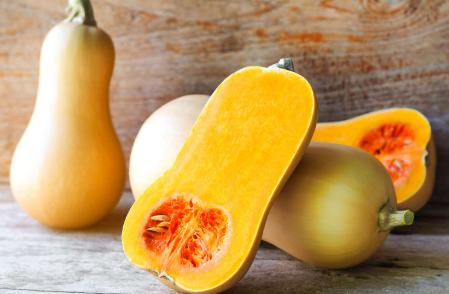
Butternut squash is one of the most iconic ingredients of modern autumn cooking, with their creamy, golden, sweet and deeply comforting. But its beauty history stretches far beyond soups and harvest bowls. This squash has been part of North American wellness traditions for generations, celebrated for its glow‑enhancing nutrients, restorative properties and its role in seasonal nourishment rituals that directly influence skin health.
Origins & Cultural Lineage
Butternut squash is a relatively modern fruit (20th century), but its lineage traces back to ancient Indigenous squashes cultivated for thousands of years. These early squashes were prized for their ability to store through Winter, providing essential nutrients during months when fresh produce was scarce.
This made squash a foundational beauty‑nutrition ingredient long before the term existed.
Early Beauty & Wellness Use
Historically, squash was used in:
- Winter nourishment routines to maintain skin hydration
- Healing broths for recovery and vitality
- Natural sweetening in tonics that supported energy and complexion
- Seed oils for internal moisture and hair strength
Its creamy texture and natural sweetness made it a comfort food with beauty benefits baked right in.
Modern Cosmetic Relevance
Butternut squash is now recognized as a top-tier beauty food, rich in:
- Beta‑carotene → Vitamin A (radiance, cell renewal)
- Vitamin C (collagen, brightness)
- Vitamin E (antioxidant protection)
- Potassium (hydration balance)
- Healthy natural sugars (internal moisture)
It’s one of the most glow‑forward vegetables in the autumn pantry.
I’m Stacey Hobbs, thanks for reading Face by Stace! Until next time.
do you feel fabulous today?
 Face by Stace