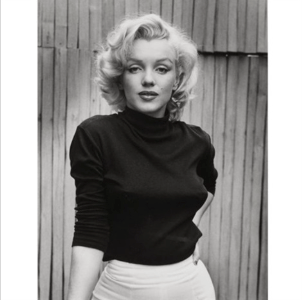
Mid‑century Hollywood offered audiences two visions of femininity, embodied perfectly by Doris Day and Marilyn Monroe. Though both were blonde, beloved, and bankable, their star images represented opposite ideals. Monroe was crafted as the sensual goddess — a figure of desire, fantasy, and erotic glamour. Day, by contrast, became the wholesome girl‑next‑door, radiating warmth, approachability, and domestic charm.
Studios leaned into these contrasts. Monroe’s roles emphasized allure, vulnerability, and the magnetic pull of sexuality, aligning her with the era’s fascination with the bombshell archetype. Critics even described her as “the answer to any red‑blooded American boy’s dream,” a symbol of Cold War‑era desirability.
Day’s persona offered a counterbalance: cheerful, reliable, and morally upright. She embodied stability at a time when American culture idealized the nuclear family and traditional womanhood. Her image was so strongly associated with purity that studios routinely positioned her as the woman men wanted to marry — a sentiment echoed in contemporary commentary and later scholarship.
Yet their differences also reveal the era’s complexity. Scholars note that Day was not always as demure as her reputation suggests, nor Monroe as transgressive. Both actresses navigated — and sometimes resisted — the gender expectations placed upon them.
Together, Day and Monroe formed a cultural dyad: two sides of mid‑century femininity, shaping how America imagined desire, respectability and the roles women were meant to play.
I’m Stacey Hobbs, thanks for reading Face by Stace! Until next time.
do you feel fabulous today?

