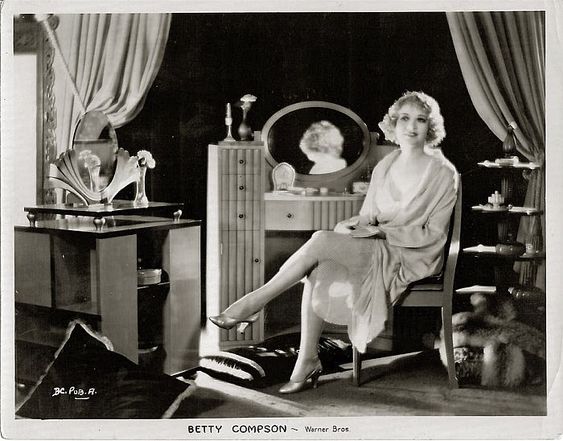
The vanity table of the 1920s was more than a piece of furniture — it was a technological and cultural revolution. As beauty routines became more elaborate and cosmetics more widely accepted, women needed a dedicated space to perform the rituals of modern glamour. The vanity table evolved from a simple dressing surface into a fully engineered beauty workstation, equipped with lighting, mirrors, storage and specialized tools that reflected the decade’s obsession with efficiency and elegance.
A true 1920s vanity featured built‑in lighting, often arranged around a central mirror to mimic the glow of silent‑film dressing rooms. These lights were not merely decorative; they provided even illumination that allowed women to apply powder, rouge, and mascara with precision. The mirror itself was frequently adjustable, tilting to catch the perfect angle — a subtle but important innovation that acknowledged beauty as a technical craft.
Storage compartments became increasingly sophisticated. Drawers were lined with velvet or satin, designed to hold compacts, lipsticks, cold cream jars, hairpins, and manicure tools. Some vanities included hidden trays or pull‑out shelves, creating a modular workspace that allowed women to organize their beauty tools like professionals. Chrome accents, lacquer finishes, and Art Deco geometry transformed the vanity into a statement piece — a fusion of fashion, architecture and technology.
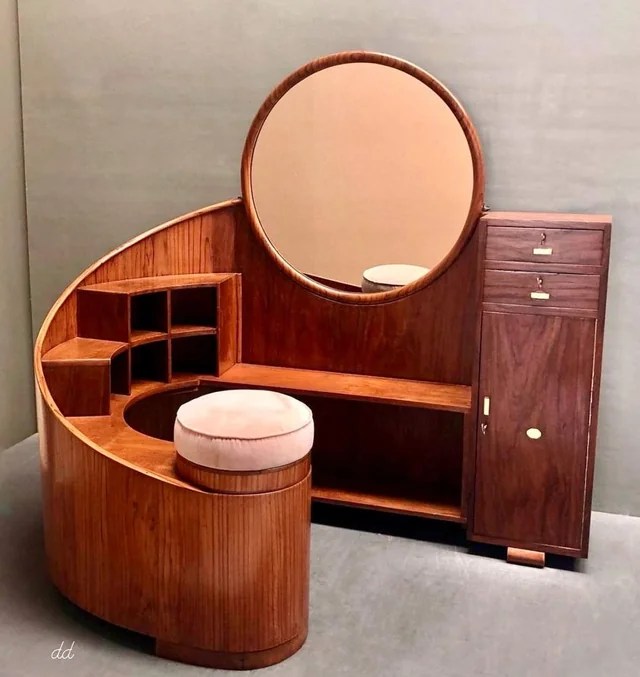
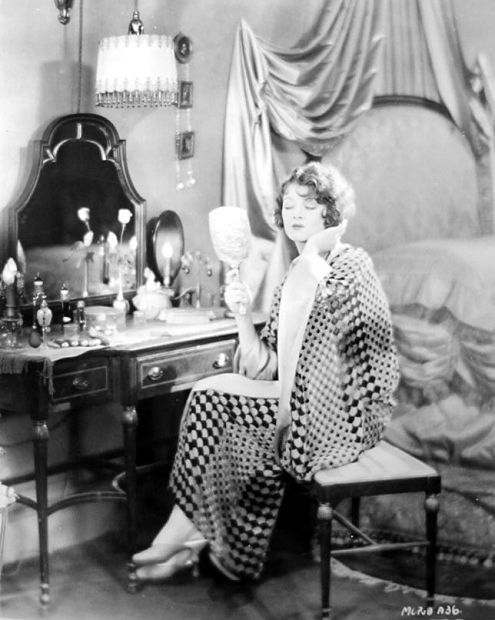
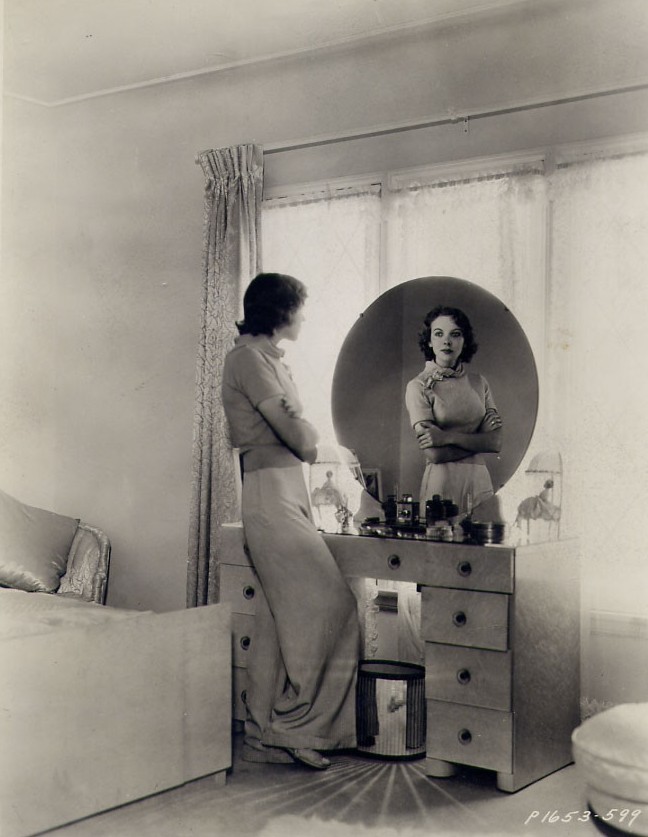
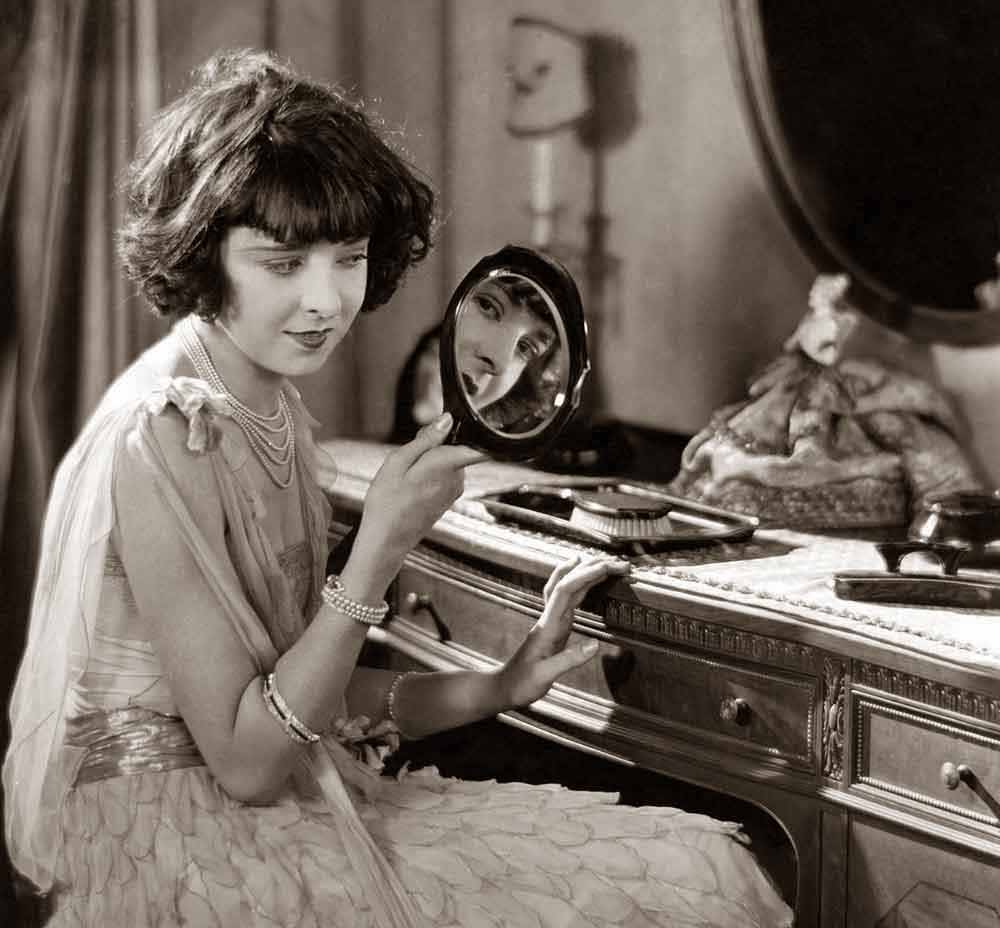
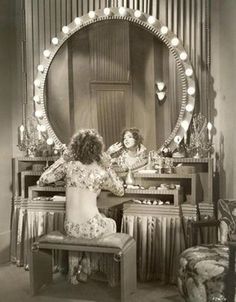
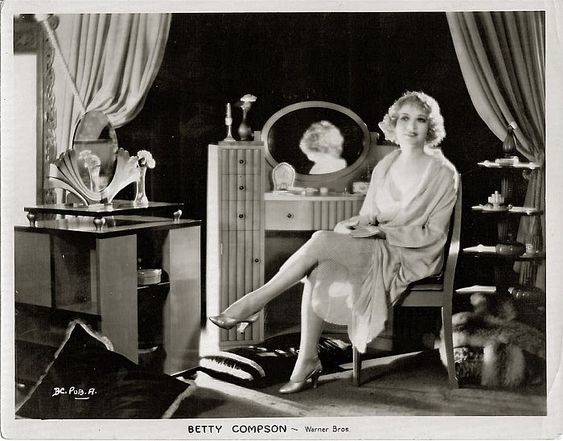
The 1920s vanity table symbolized autonomy. It gave women a private, luxurious space to experiment with beauty, refine their personal style, and embrace the beauty routine that defined modern femininity. In the evolution of beauty technology, the vanity table stands as the decade’s most intimate innovation — the birthplace of daily glamour.
I’m Stacey Hobbs, thanks for reading Face by Stace! Until next time.
do you feel fabulous today?

