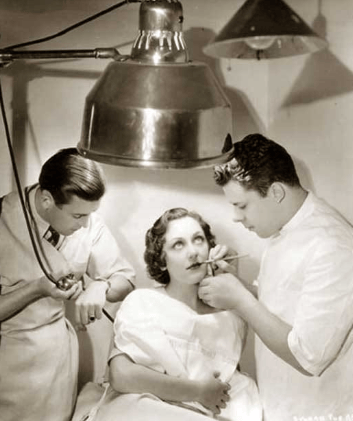
Beauty lamps and ultraviolet therapy devices of the 1920s–1930s were among the earliest attempts to merge cosmetic enhancement with scientific illumination. As electricity became a household standard, inventors and beauty operators began experimenting with light as a tool for complexion improvement, makeup precision, and therapeutic treatment. These lamps were marketed as modern marvels — capable of refining skin tone, improving circulation, and revealing the face with unprecedented clarity.
Early beauty lamps were large, often dome‑shaped fixtures mounted above vanity tables or treatment chairs. Their purpose was twofold: to provide high‑intensity illumination for makeup application and to deliver controlled UV exposure believed to stimulate skin health. Advertisements promised “radiant complexions,” “clear pores,” and “scientific beauty,” reflecting the era’s fascination with technology as a path to glamour. Some lamps were used purely for visibility, allowing makeup artists to sculpt brows, apply lipstick and perfect powder under bright even light. Others incorporated ultraviolet bulbs intended to mimic the therapeutic effects of sunlight.
In professional settings, beauty operators used UV lamps alongside facial steamers, vibratory massagers and electrical treatments. Clients reclined beneath the glowing dome while operators applied creams, adjusted tools or performed makeup artistry — a routine that blended science with performance. At home, smaller lamps were sold as personal beauty aids, encouraging women to adopt “modern light therapy” as part of their daily routine.
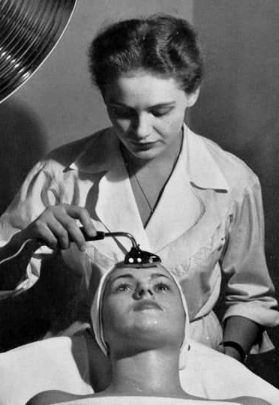

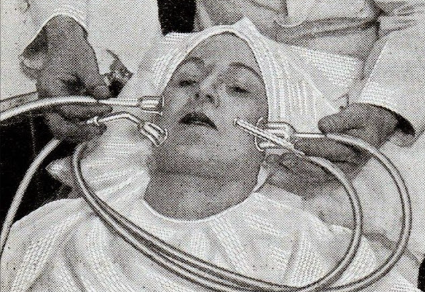
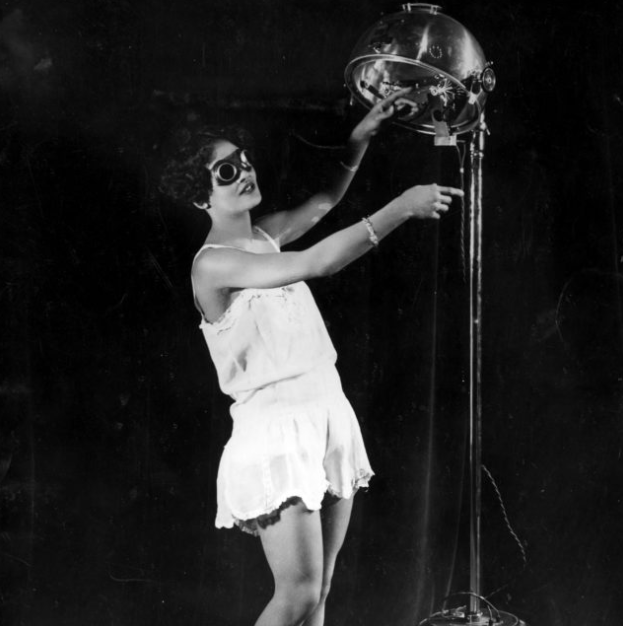
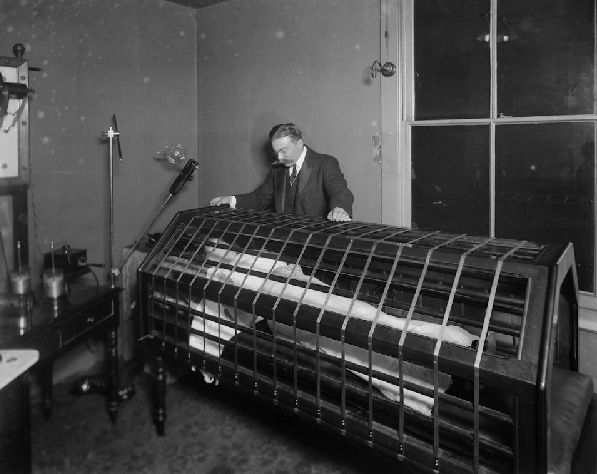
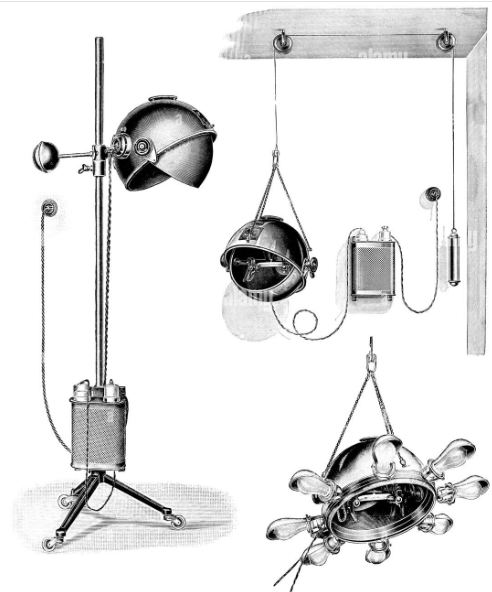
Though later replaced by safer, more regulated technologies, early beauty lamps represent a pivotal moment in beauty history. They introduced the concept of light as a cosmetic tool, paved the way for ring lights, LED therapy, and professional makeup lighting and helped define the visual language of glamour itself.
I’m Stacey Hobbs, thanks for reading Face by Stace! Until next time.
do you feel fabulous today?

