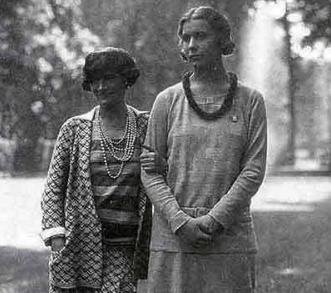
When Chanel introduced jersey into women’s fashion in the 1910s, she wasn’t simply choosing a new fabric, she was re-writing the rules of elegance. At the time, jersey was associated with men’s underwear, sailors’ shirts and utilitarian garments. It was cheap, stretchy and absolutely not considered couture material. No designer of her era would have dared to use it for women’s clothing. Chanel did — and it changed fashion forever.
Her decision came from necessity and instinct. During World War I, traditional dressmaking fabrics were scarce and jersey was one of the few textiles readily available. Chanel, already known for her un-conventional eye, recognized its potential: it draped beautifully, moved with the body and offered comfort at a moment when women were entering the workforce and abandoning restrictive corsetry. She saw modernity in its simplicity.
Chanel’s jersey garments — fluid skirts, relaxed sweaters, sailor‑inspired tops — shocked the fashion establishment. They were un-structured, minimalist and radically comfortable. Women loved them. Jersey allowed Chanel to create clothing that felt effortless, athletic, and liberating, aligning perfectly with her philosophy that elegance should never feel forced. Her designs offered a new silhouette: straight, clean and free from the stiffness of pre‑war fashion.
By elevating jersey, Chanel democratized luxury. She proved that refinement came from design, not from expensive materials. Her jersey revolution laid the foundation for modern sportswear, knitwear, and the casual chic vibe that defines contemporary fashion. What began as a wartime improvisation became one of the most influential innovations in couture history, which was a testament to Chanel’s ability to see beauty where others saw only utility.
I’m Stacey Hobbs, thanks for reading Face by Stace! Until next time.
do you feel fabulous today?

