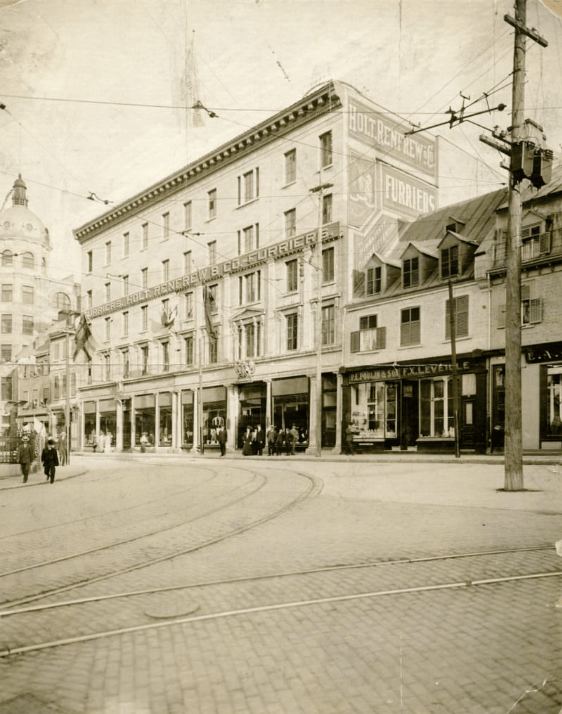
Before Sephora, before beauty influencers, and long before the modern cosmetics industry exploded, Canadian women discovered makeup through a very specific gateway: the department store. In the 1920s, beauty culture in Canada didn’t begin in salons or Hollywood, it began at Eaton’s Centre “Eaton’s”, Simpson’s, Morgan’s, and Holt Renfrew “Holt’s” – Canada’s upscale department store, where the first beauty counters quietly reshaped how Canadian women saw themselves.
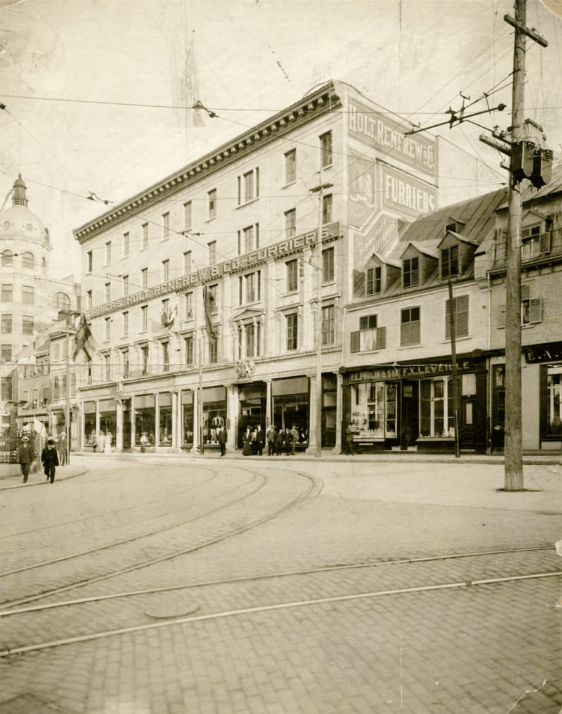
These counters weren’t just places to buy rouge or powder. They were introductions to modern womanhood. Saleswomen demonstrated how to apply lipstick “properly,” how to use face powder without appearing too bold and how to maintain a clean, respectable complexion. In a country still shaped by British restraint, these counters made cosmetics feel safe, elegant, and socially acceptable.
American beauty marketing leaned toward glamour and rebellion. Canadian advertising leaned toward refinement. Department stores framed makeup as a tool of polished femininity rather than daring self‑expression. Even the displays reflected this: soft lighting, pastel packaging, and messaging that emphasized grace over drama.
These counters also democratized beauty. Middle‑class women could browse, sample and learn — often for the first time. Cosmetics became part of everyday life, not just special occasions. And as Canadian flappers embraced modernity, department stores became the cultural bridge between tradition and trend.
The birth of beauty counters didn’t just sell products. It introduced Canadian women to a new identity: modern, confident and beautifully understated.
I’m Stacey Hobbs, thanks for reading Face by Stace! Until next time.
do you feel fabulous today?

