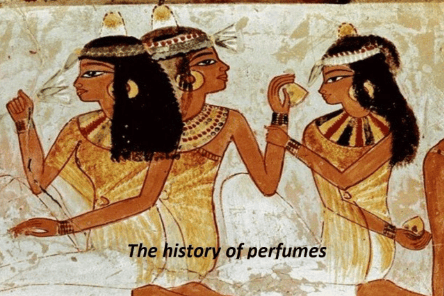
In Ancient Egypt, honey was one of the most prized beauty ingredients — a natural, multifunctional substance used in daily skincare, healing rituals, and cosmetic preparation. Its importance went far beyond sweetness. Honey was considered a sacred material linked to health, purity, and youth, making it a cornerstone of Egyptian beauty science.
Egyptians understood honey’s ability to soften, soothe and protect the skin in a harsh desert climate. Its natural humectant properties helped draw moisture into the skin, while its antibacterial qualities made it ideal for calming irritation and supporting wound healing. Mixed with ingredients like milk, aloe, crushed herbs, or clay, honey masks became early formulations designed to hydrate, brighten and refine the complexion.
Elite women — including those in royal households — used honey masks to maintain smooth, luminous skin. Papyrus texts and archaeological evidence show recipes combining honey with oils, resins and botanicals to create treatments for dryness, fine lines, and sun exposure. Honey was also used to prepare the skin before applying kohl or scented oils, forming part of a broader ritual of beauty and protection.
These early masks reveal how advanced Egyptian skincare truly was. Their approach blended observation, natural chemistry, and spiritual meaning, creating treatments that feel surprisingly modern. Today, honey remains a staple in contemporary skincare for the same reasons the Egyptians valued it: hydration, healing and a natural glow.
I’m Stacey Hobbs, thanks for reading Face by Stace! Until next time.
do you feel fabulous today?

