French fashion did not begin with couture. Its roots stretch back centuries, shaped by craftsmanship, politics, and the early rise of luxury culture. Long before Paris became the world’s fashion capital, France was building the systems, materials, and artistry that would define its global influence.
In the medieval period, dressmaking guilds established strict standards for tailoring and textile work. These guilds protected techniques, trained artisans, and ensured that French clothing carried a reputation for quality. By the 1500s, Lyon had become Europe’s silk powerhouse, producing fabrics prized for their colour, sheen, and durability. Silk was not simply a textile — it was an early symbol of French prestige.
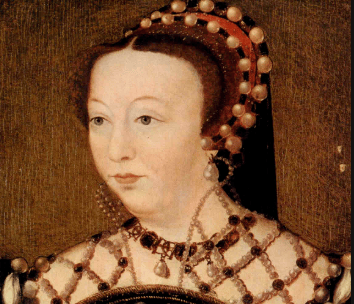
Catherine de Medici, arriving from Italy in 1533, transformed the French court. She introduced structured corsetry, heeled shoes, and perfume etiquette, shaping the foundations of French beauty culture. Her influence helped establish France as a centre of elegance and innovation.
By the 1600s, French lace — especially Alençon and Chantilly — became coveted across Europe. Lace makers were treated as national treasures, and their work was worn by royalty from Paris to St. Petersburg. Perfume also evolved into a uniquely French art, blending chemistry with seduction and ritual.
These early centuries built the technical and cultural infrastructure that later allowed haute couture to flourish. They established France not only as a place of beauty, but as a nation where fashion was treated as craft, identity and power.
I’m Stacey Hobbs, thanks for reading Face by Stace! Until next time.
do you feel fabulous today?

