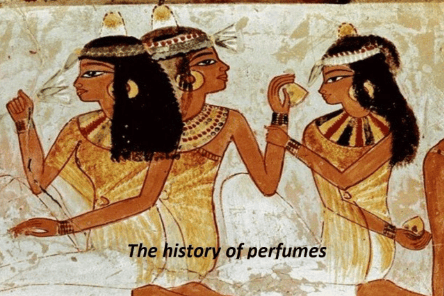
In Ancient Egypt, perfumed oils were more than fragrance — they were daily skincare essentials woven into medicine, ritual and status. Egyptians lived in a harsh desert climate, and protecting the skin from dryness, sun, and sand was a constant priority. Oils offered nourishment, softness and a protective barrier making them one of the earliest forms of moisturization.
These oils were typically made from moringa, balanos, almond, and sesame, chosen for their ability to soften and condition the skin. They were then infused with aromatic botanicals such as myrrh, frankincense, lotus, cinnamon, and cardamom, creating blends that were both functional and luxurious. The result was a perfumed oil that hydrated, protected and scented the body — a beauty ritual that signalled refinement and spiritual care.
Perfumed oils also played a role in hygiene and health. Many botanicals used in Egyptian formulas had antimicrobial or anti‑inflammatory properties, helping soothe irritation and support skin resilience. Oils were applied after bathing, massaged into the skin, and used to soften hair and nails. Elite Egyptians stored these blends in carved alabaster jars, highlighting their value and prestige.
The practice reflects a sophisticated understanding of skincare long before modern cosmetics. For Egyptians, perfumed oils were not simply beauty products — they were daily nourishment, sensory ritual and cultural identity, forming the foundation of one of history’s most advanced beauty systems.
I’m Stacey Hobbs, thanks for reading Face by Stace! Until next time.
do you feel fabulous today?

