Chanel’s beauty history is a study in how a luxury house transforms its aesthetic codes into a global language. From the 1920s to today, Chanel has treated beauty not as an accessory to fashion, but as an extension of identity — distilled, modern, and French.
The story begins in 1921 with Chanel N°5, a radical aldehydic composition that broke with the era’s floral conventions. Its minimalist bottle and abstract scent profile established the House’s belief that beauty should feel both luxurious and forward‑looking. By 1924, Chanel formalized its cosmetics division, launching powders and lipsticks that mirrored Coco Chanel’s fashion philosophy: simplicity, clarity, and elegance.
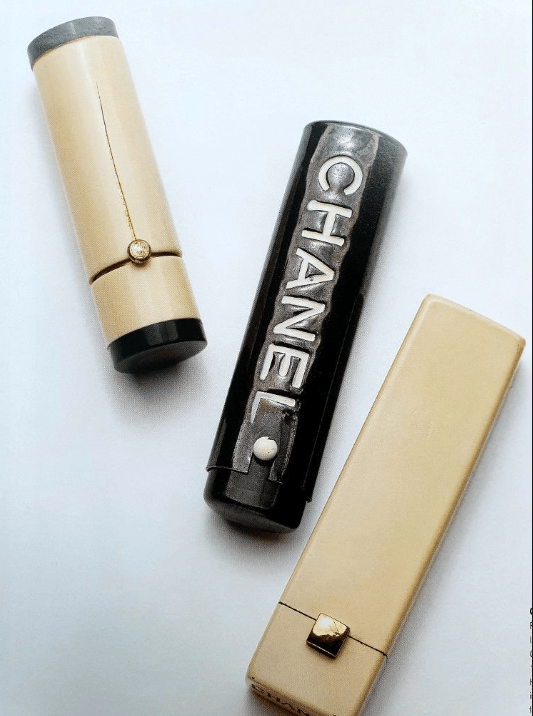
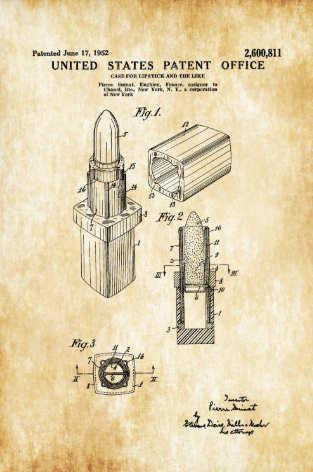
This patent illustration shows the Chanel Lipstick Case design patented by Chanel, Inc. in 1952, featuring a wooden case with a hinged cover and a removable lipstick. The design was created by Pierre Suinat and is now a sought-after piece of vintage beauty and fashion memorabilia.
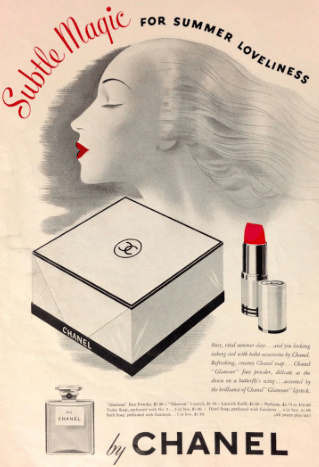
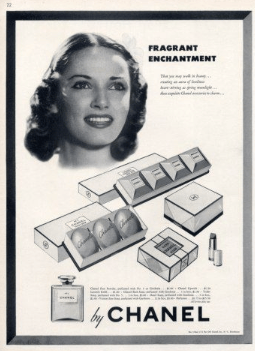
The late 1920s introduced Chanel’s first skincare line, positioning beauty as part of a woman’s daily ritual rather than an occasional indulgence. Through the mid‑century, the House expanded into refined fragrances and essential cosmetics, maintaining a restrained aesthetic that set it apart from more ornate competitors.
Karl Lagerfeld’s arrival in the 1980s ushered in a new era. He modernized Chanel’s visual language, bringing sharper packaging, bolder colour stories and a renewed focus on iconic products like Rouge Coco and Les Beiges. Beauty became a cultural symbol — aspirational yet accessible.
Today, under Virginie Viard and the Chanel Beauty laboratories, the brand continues to merge heritage with innovation. Skincare is science‑driven, makeup is architectural, and fragrance remains the House’s soul. Chanel Beauty endures because it evolves without ever abandoning its core: timelessness shaped by modernity.
I’m Stacey Hobbs, thanks for reading Face by Stace! Until next time.
do you feel fabulous today?

